-
The forum software have been upgraded to the latest version.
If you notice anything that looks off, or does not work, please let us know.
For more information, click here.
You are using an out of date browser. It may not display this or other websites correctly.
You should upgrade or use an alternative browser.
You should upgrade or use an alternative browser.

Slann
Aginor
Fifth Spawning
- Messages
- 12,256
- Likes Received
- 20,177
- Trophy Points
- 113
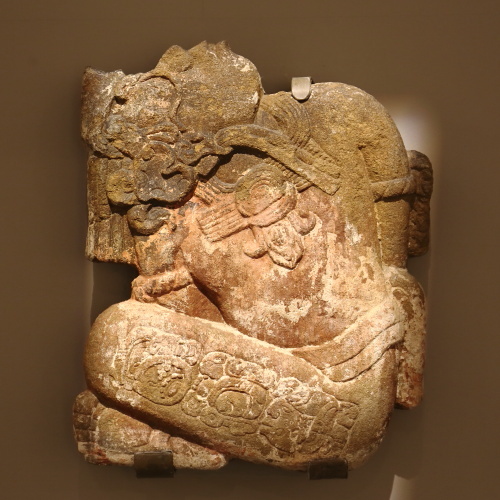
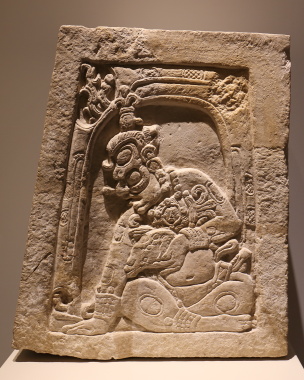
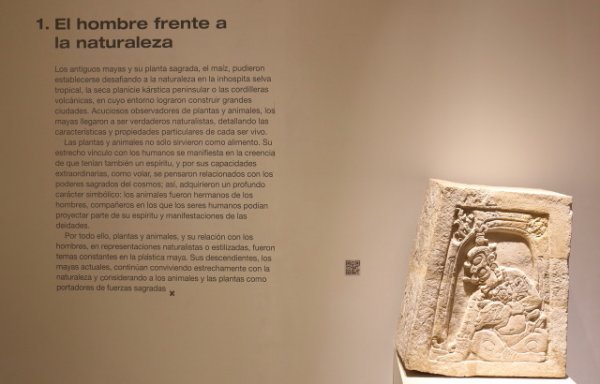
My Spanish isn't very good, but I think the text says roughly this (TL;DR version)Small Stela from Dos Pilas:
View attachment 62332
Can't read this, but here is the description.
View attachment 62330
The Mayas and their sacred plant, the corn, had a special relationship, as corn could grow on the jungle soil, and also on the half-desert soils and in the mountains, allowing them to grow enough food to build and sustain their huge cities.
They Mayans also closely observed the plants and animals around them, and understood them, their characteristics.
They believed that animals were manifestations of the gods and humans and animals were brothers.
Mayan art often depicts this.


Slann
Warden
Tenth Spawning
- Messages
- 6,642
- Likes Received
- 18,897
- Trophy Points
- 113
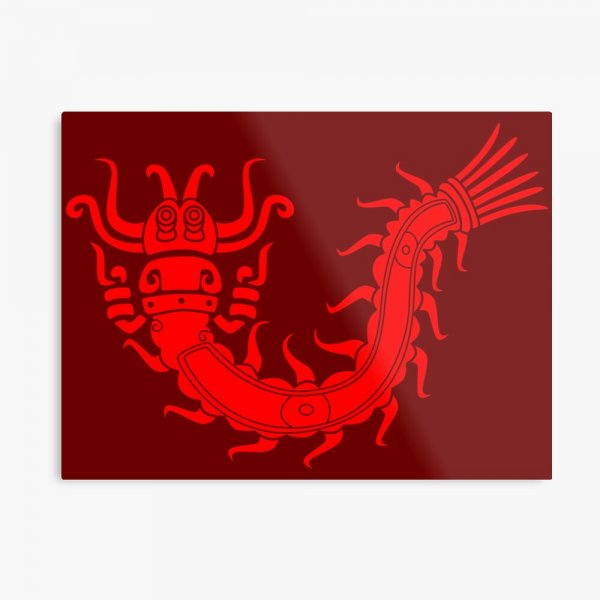
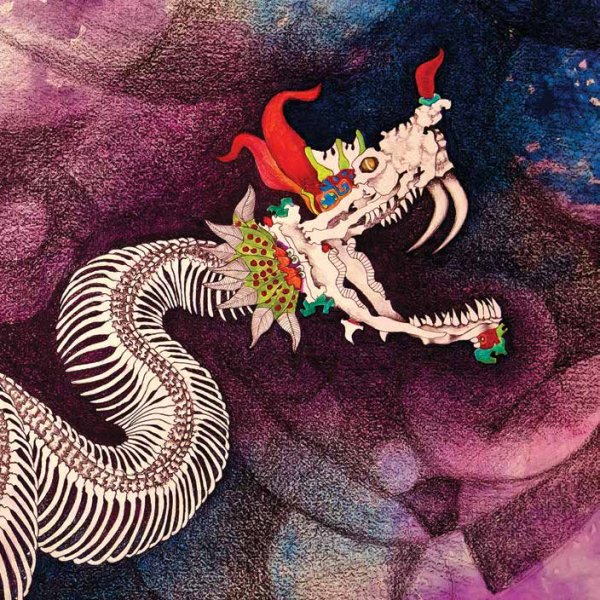
The centipede was considered a gateway to the underworld (specifically the jaws of the centipede) because when ancient Mayans opened the tombs of their ancestors they would always find large jungle centipedes crawling on the freshly-dead remains or bones.
The centipede, or wak / waka was the symbol of the Centipede (Wak) Dynasty of Palenque and El Peru.
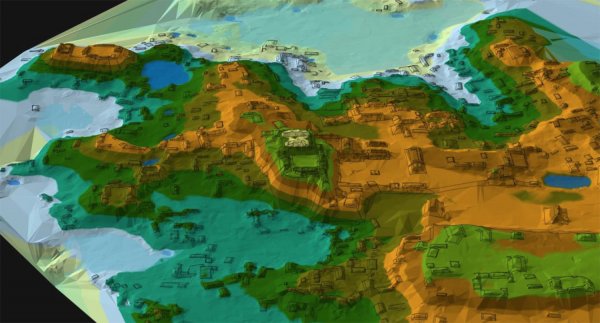
Map of El Peru:
Two links where I got these images from:
History Blog
Ancient Origins
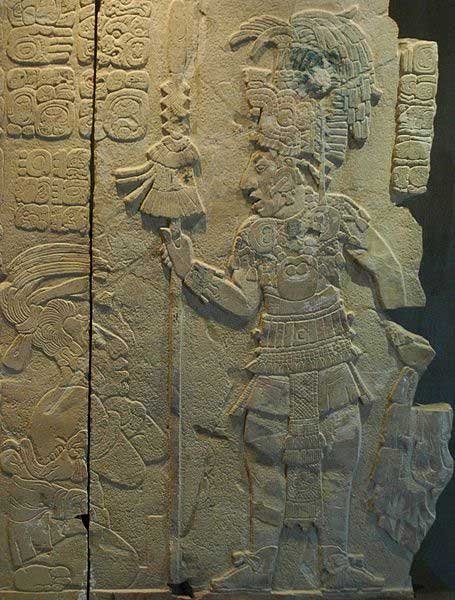
King of Palenque holding captive a king from Tonina:
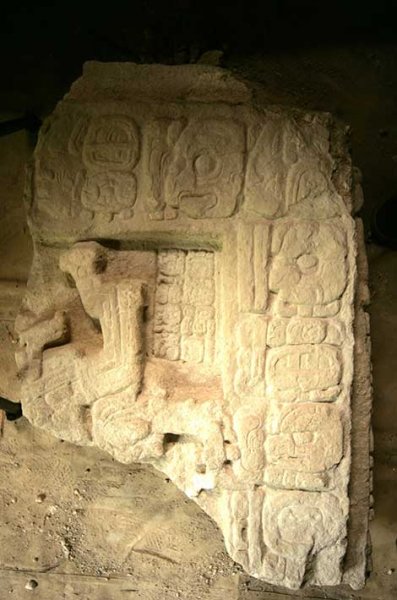
Maya Snake Queen of the Waka dynasty, from Stela 43.
And to finish a few centipedes in artsy style:
Bone jaws of the underworld:
The centipede, or wak / waka was the symbol of the Centipede (Wak) Dynasty of Palenque and El Peru.
Map of El Peru:
Two links where I got these images from:
History Blog
Ancient Origins
King of Palenque holding captive a king from Tonina:
Maya Snake Queen of the Waka dynasty, from Stela 43.
Mayan Snake Queen (Ikoom) name listed on stela 44:
And to finish a few centipedes in artsy style:
Bone jaws of the underworld:
Slann
Warden
Tenth Spawning
- Messages
- 6,642
- Likes Received
- 18,897
- Trophy Points
- 113
Slann
Aginor
Fifth Spawning
- Messages
- 12,256
- Likes Received
- 20,177
- Trophy Points
- 113
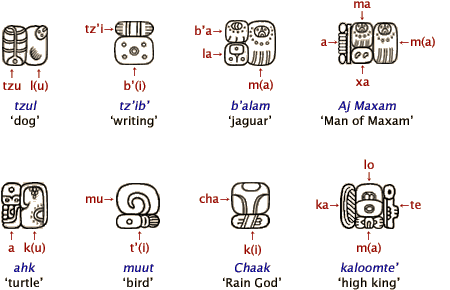
Wow I am tempted to create a program that lets you input english words and it returns mayan script that could fit...
Edit: a similar thing already exists. It sucks though, since it doesn't follow the rules.
https://www.paleoaliens.com/event/mayan_glyphs/index.html
Slann
Warden
Tenth Spawning
- Messages
- 6,642
- Likes Received
- 18,897
- Trophy Points
- 113
Wow I am tempted to create a program that lets you input english words and it returns mayan script that could fit...
Edit: a similar thing already exists. It sucks though, since it doesn't follow the rules.
https://www.paleoaliens.com/event/mayan_glyphs/index.html
That is a great find!
Slann
Warden
Tenth Spawning
- Messages
- 6,642
- Likes Received
- 18,897
- Trophy Points
- 113
Stela 3 from Seibal.
This stela was made at the end of the classic period, like a lot of the stela from the terminal classic they did not have the same high-quality standard of many of the beautiful Mayan carvings of the lowlands that came before it
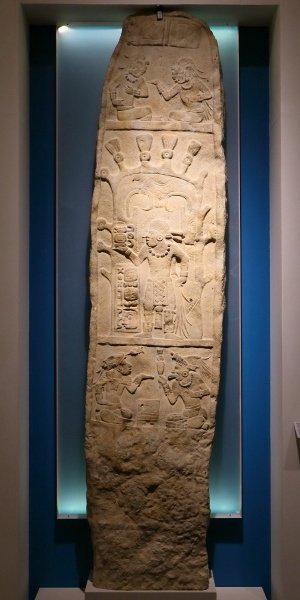
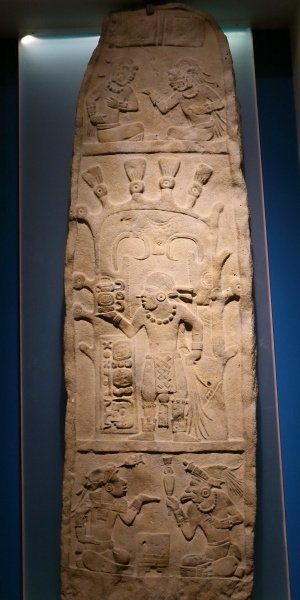
This stela was made at the end of the classic period, like a lot of the stela from the terminal classic they did not have the same high-quality standard of many of the beautiful Mayan carvings of the lowlands that came before it

Slann
Warden
Tenth Spawning
- Messages
- 6,642
- Likes Received
- 18,897
- Trophy Points
- 113
Excellent stuff. That Mayan translator just assign a letter to a glyph, a poor option, so Jaguar would be six glyphs instead of the one for jaguar...
Yeah... translating English to mayan-glyphs isn't exact. Our alphabet is only 26 letters, but each letter can stand for a different sound. Mayan "alphabet" was a lot bigger because their "letters" stood for specific sounds.
Slann
Aginor
Fifth Spawning
- Messages
- 12,256
- Likes Received
- 20,177
- Trophy Points
- 113
Excellent stuff. That Mayan translator just assign a letter to a glyph, a poor option, so Jaguar would be six glyphs instead of the one for jaguar...
Yeah... translating English to mayan-glyphs isn't exact. Our alphabet is only 26 letters, but each letter can stand for a different sound. Mayan "alphabet" was a lot bigger because their "letters" stood for specific sounds.
Yeah it doesn't work that way.
That "translator" neither applies the correct sounds nor the structure of writing. The output doesn't even look like mayan writing. Which is sad. It should be possible to program a better one. But I lack the time to give it a shot.
Slann
Warden
Tenth Spawning
- Messages
- 6,642
- Likes Received
- 18,897
- Trophy Points
- 113
Been a minute, so here are some more stela. All from the classic period (600-900 AD)
Yaxchilan lintel 33:
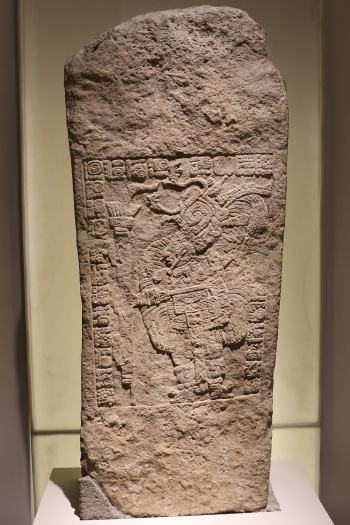
Also Yaxchilan, Lintel 48:
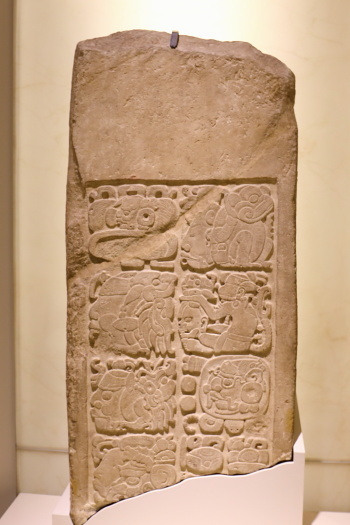
Manchaquila Stela 3 (never heard of this place, will have to look it up).
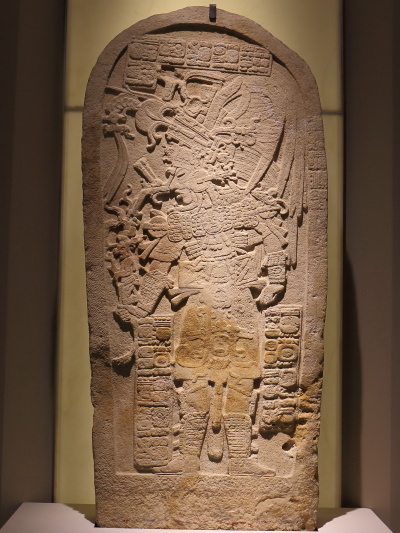
Xcalmukin Stela:
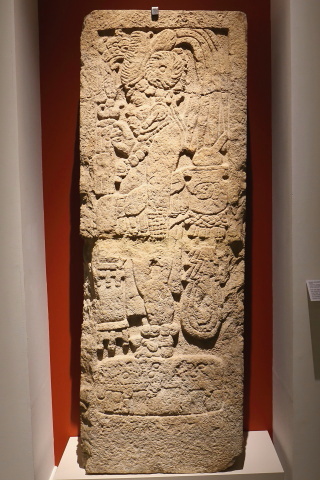
Lagartero Stela: very basic looking, almost as though it was a sketch
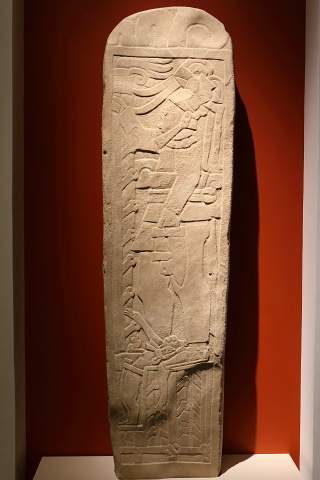
Tila Stela:
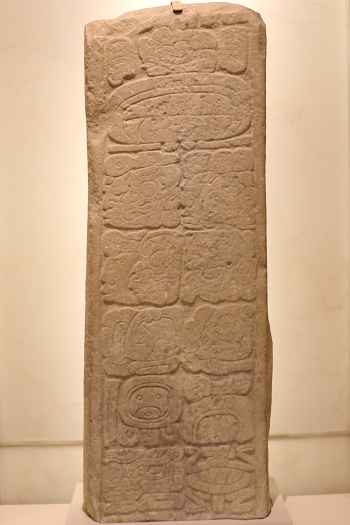
Yaxchilan lintel 33:
Also Yaxchilan, Lintel 48:
Manchaquila Stela 3 (never heard of this place, will have to look it up).
Xcalmukin Stela:
Lagartero Stela: very basic looking, almost as though it was a sketch
Tila Stela:
Last edited:
Slann
Warden
Tenth Spawning
- Messages
- 6,642
- Likes Received
- 18,897
- Trophy Points
- 113
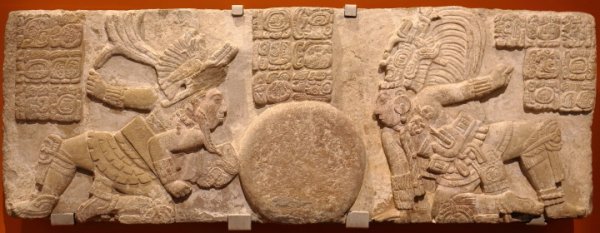
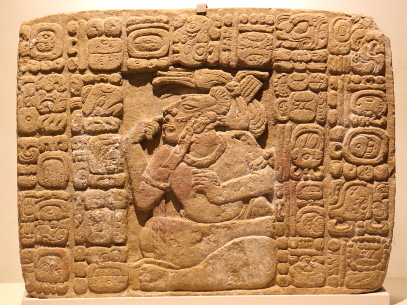
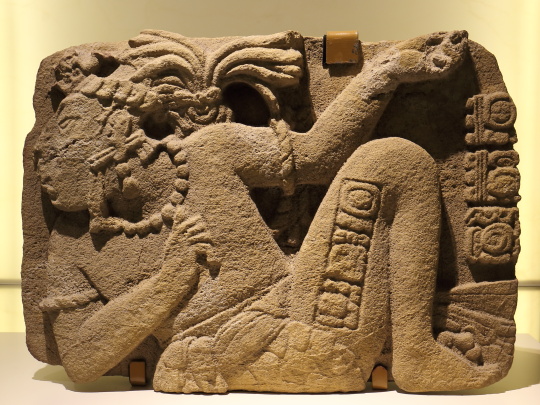
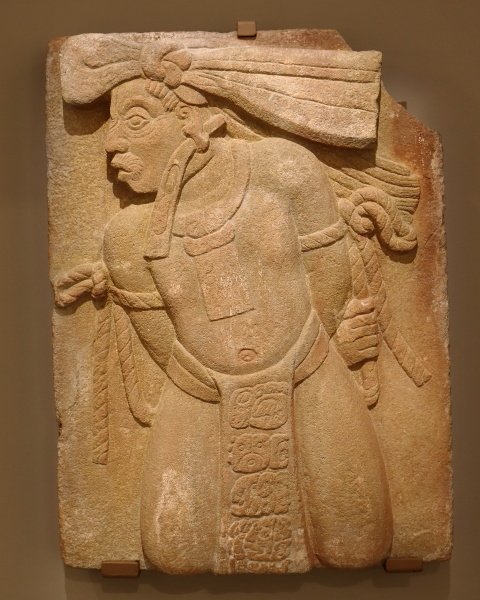
A few more beautiful maya carvings.
Amazingly detailed fragment from Chinikija:
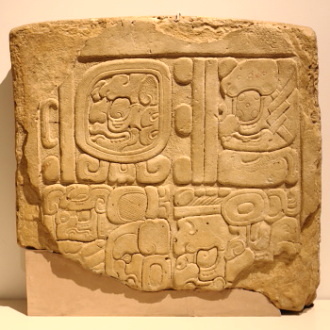
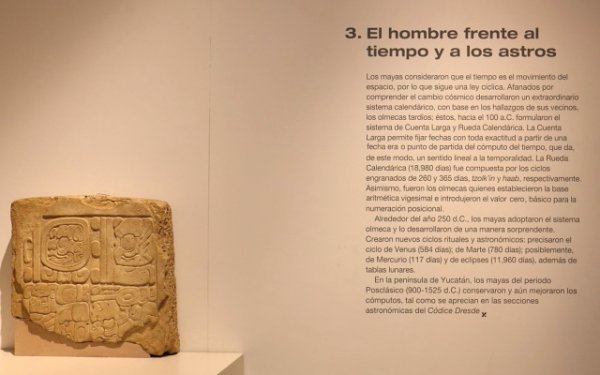
From Tonina:
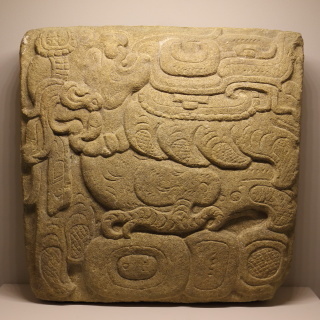
Comalcalco:
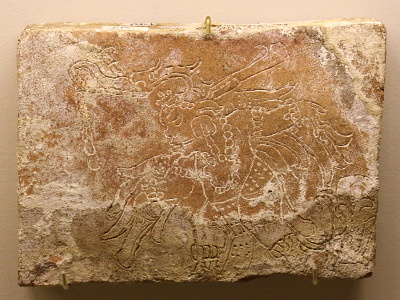
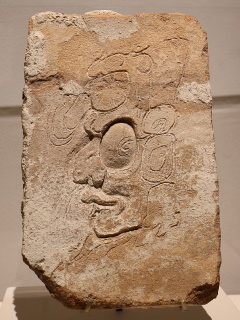
Another amazing carving from Comalcalco, really like this one for how much depth is in the face:
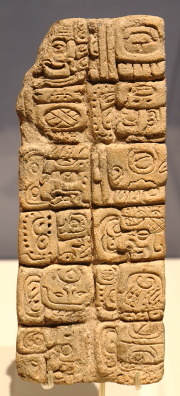
Glyph carvings, also Comalcalco:
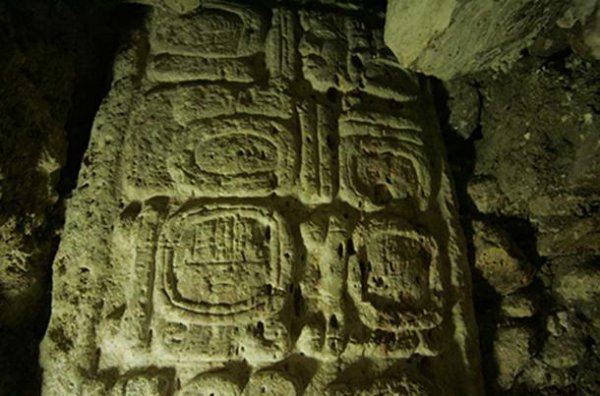
Carving from the subterranean caverns of Palenque:
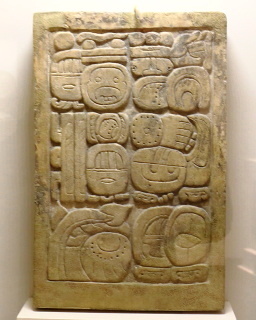
From Pakal Na:
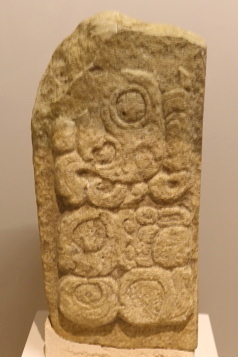
Amazingly detailed fragment from Chinikija:
From Tonina:
Comalcalco:
Another amazing carving from Comalcalco, really like this one for how much depth is in the face:
Glyph carvings, also Comalcalco:
Carving from the subterranean caverns of Palenque:
From Pakal Na: