
Slann
Killer Angel
Prophet of the Stars
- Messages
- 20,930
- Likes Received
- 42,352
- Trophy Points
- 113

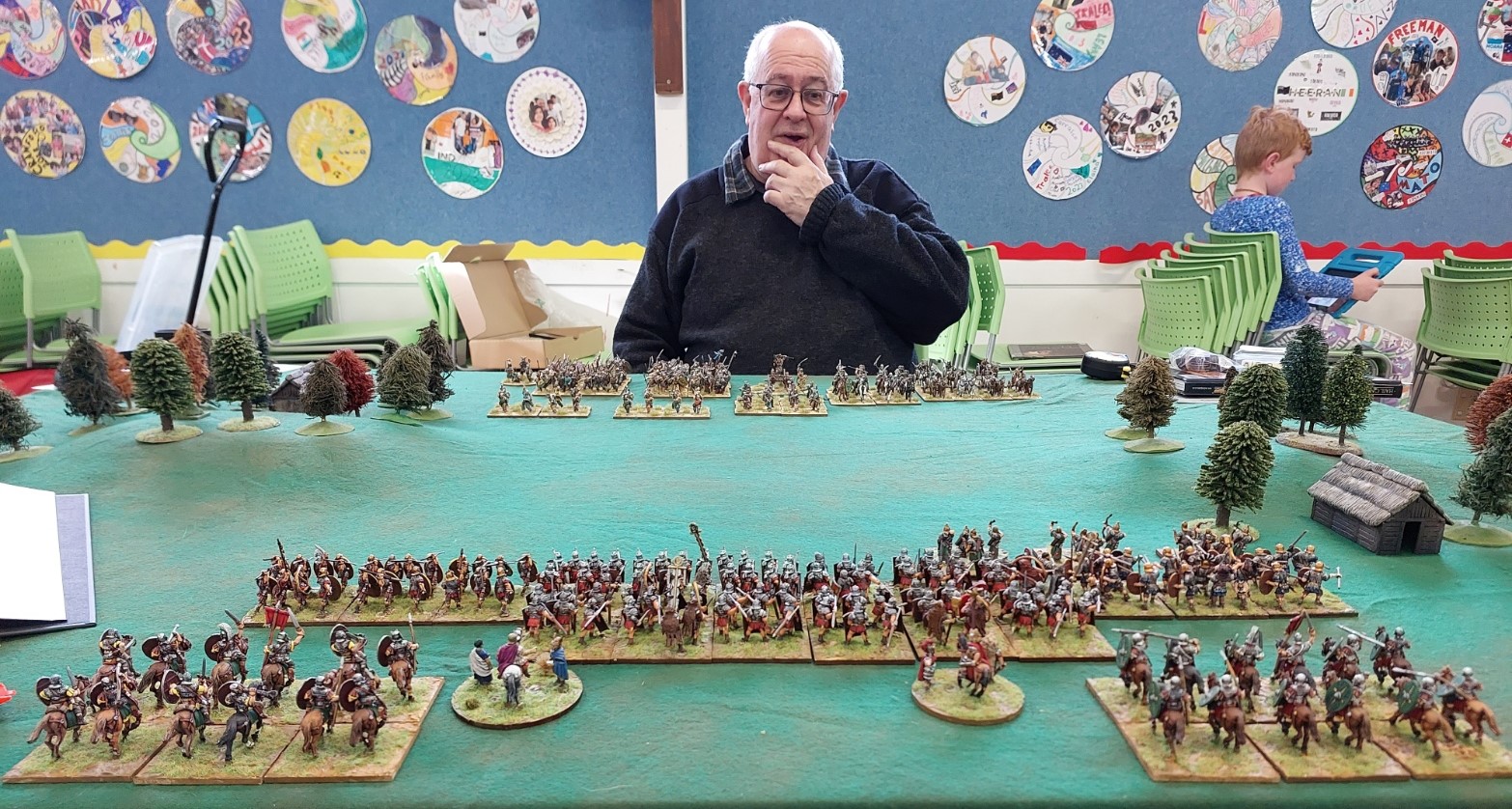
That kid is having time of his life and doesn't even know it.



Of course, slavery was certainly a thing in the American South, that is undeniable (and in some states that supported the Union too - making pro-Union historians all the more hypocritical), but I severely doubt that your run-of-the-mill ordinary Southerner, who would live on a little farm with just his family and no slaves for company, would really want to join a war and risk his life just for the desire to keep black people enslaved.
Americans right up to the present day hate to see themselves ever as 'The Bad Guys', yet while they are so eager to continue to celebrate the rebellion of their beloved Continental Army against British assertion of power in the 1700s, they continue to remain appalled at the idea that when the US tried to assert its own power in the same way, a similar rebellion emerged for similar reasons.
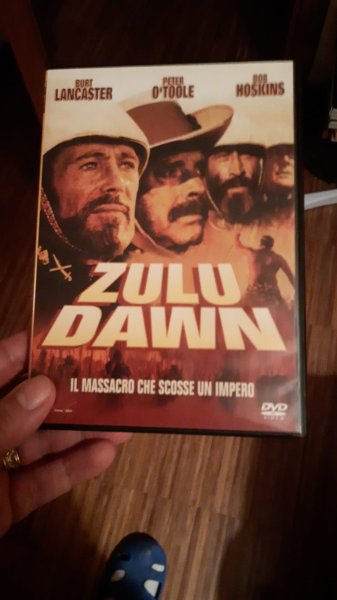 ... but I know we can get it on DVD here in the UK, so we'll replace it at some point...
That's old school!We've still got our VHS

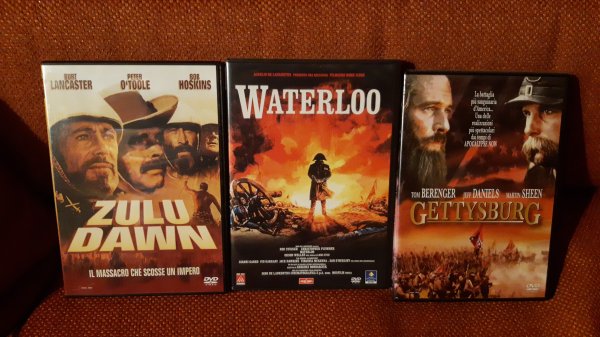
That's old school!


Just finished rewatching Gods and Generals.
-- "I don't know about other folk, but I ain't fighting for no darkies one way or the other. I'm fightin' for my rights. All of us here, that's what we're fighting for rights."
-- "Your what?"
-- "For our rights. The right to live my life like I see fit. Why can't you just live the way you want to live, and let us live the way we do? Live and let live, I hear some folks say. Be lot less fuss and bother if more folks took it to heart."
Virginians! Virginians! For your land - for your homes - for your sweethearts - for your wives - for Virginia! Forward... march!
No, no, no, no. Now-now, we-we established this country in the first place with very strong state governments just for that very reason. I mean, uh... let me put it to you this way: my home is in Virginia. The government of my home *is* home. Virginia would not allow itself to be ruled by... by some, uh, king over there in London. And it's not about to let itself be ruled by some president in Washington! Virginia, by God, sir, is gonna be run by Virginians!
I found that film to be largely boring, its pacing is all off, and its major weakness, to me, is that it is not focused. This is part of the problem with it not set within a single battle, but rather seemingly centred around the whole career of Stonewall Jackson.
As I recall, I find the subplot with the southern family with slaves to be oddly out of place -- probably a way to make up for the sausagefest that is Gettysburg, but it did not mash well with the rest of the story, in my opinion.
I rather think Gettysburg did a good job showing why the southerners fought
One man's 'old school' is another man's civilised
Anyway, currently I'm watching Gone with the Wind for the first time. Another solid portrayal of life in the Confederacy that escapes pro-Union revisionist stereotyping, alongside Gods and Generals and Cold Mountain.
I rather think Gettysburg did a good job showing why the southerners fought
Nothing wrong with that. As long a they are in good working order, keep enjoying them.One man's 'old school' is another man's civilised

Nothing wrong with that. As long a they are in good working order, keep enjoying them.
Exactly. Though I notice that Kelly's Heroes isn't in that movie list...