
Slann
Warden
Tenth Spawning
- Messages
- 6,642
- Likes Received
- 18,896
- Trophy Points
- 113
~~~original post~~~
So most of you who have seen either my lore or art threads might have noticed that I have a thing for Mayan history and art. I have found the Mayan civilization fascinating for some time now. It was one of the things that I loved so much about the Lizardmen of Warhammer, because much of their lore was taken from Mayan (and Aztec, Inca, and other Pre-Columbian) sources. I have built up a pretty extensive collection of Mayan books, art, and computer images of some great inspirational stuff that has been helping me with my ongoing Lizard-ly and other hobby projects, and I figured why not, its time to start sharing.
There is always more great stuff out there, so feel free to add stuff!
~~~~~~
INDEX
~~~original post~~~
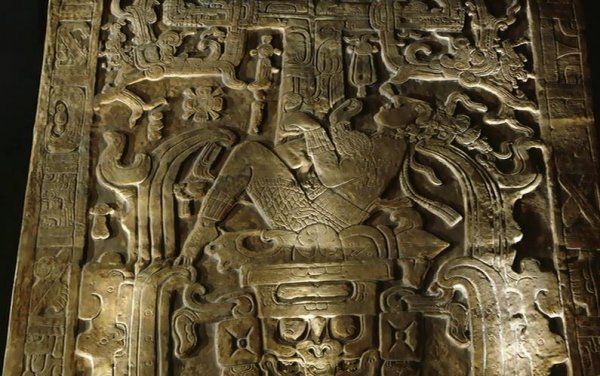
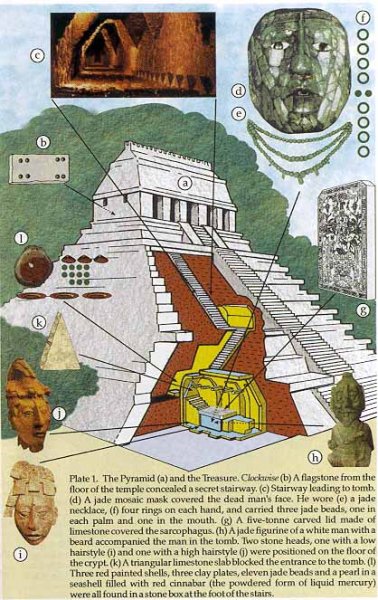
Since this is the first post, I will start this off with one of the most famous pieces of Mayan art and sculpture: the sarcophagus lid of King Pacal the Great's burial chamber:
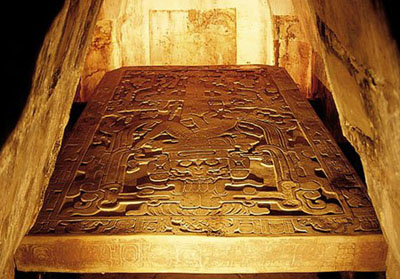
Better shot of the chamber itself, lots of carvings all around the room:
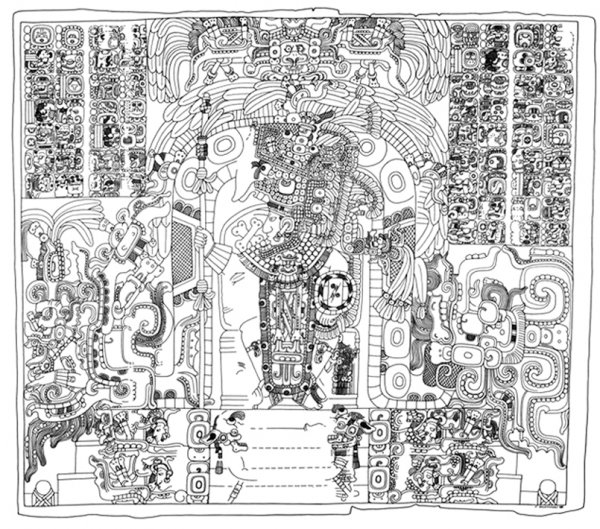
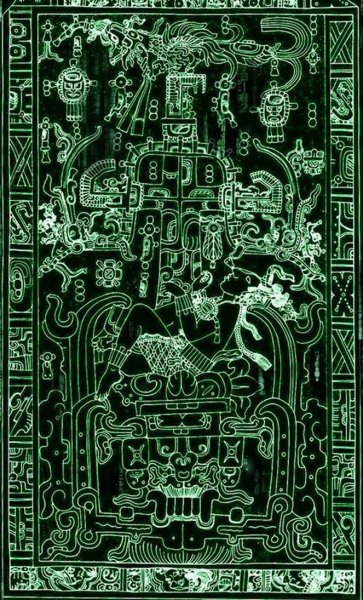
Artist's drawings of the carving's details:
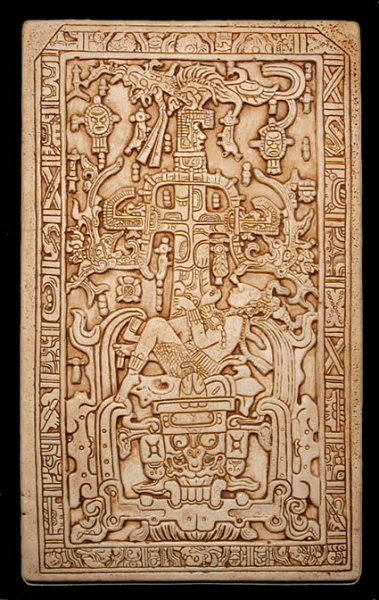
Obviously it is King Pacal in the center. Depending on which description you read he is either ascending out of or descending through the gaping centipede-jaws of the underworld along the axis of the Great World Ceiba tree at the center of the universe, where the Great Bird Deity (the sun of the last creation) is perched on top. The sculpture draws many allusions to the story of the maize god, his continuous cycle of death and rebirth as he dies and rises again as maize to feed the people. In some ways it makes the statement that Pacal will never truly die, he will be reborn when the cycle of time continues.
No it is not a space bike if you put it on its side.
Last pic, a general shot of the interior of the Temple of Inscriptions where he was buried.
So most of you who have seen either my lore or art threads might have noticed that I have a thing for Mayan history and art. I have found the Mayan civilization fascinating for some time now. It was one of the things that I loved so much about the Lizardmen of Warhammer, because much of their lore was taken from Mayan (and Aztec, Inca, and other Pre-Columbian) sources. I have built up a pretty extensive collection of Mayan books, art, and computer images of some great inspirational stuff that has been helping me with my ongoing Lizard-ly and other hobby projects, and I figured why not, its time to start sharing.
There is always more great stuff out there, so feel free to add stuff!
~~~~~~
INDEX
- for the most part, city names are in bold. Links to some of the more interesting pictures/posts are also included.
- for list of great books on Mayan art, history, and culture, check out the bibliography on page 18!
- for list of great books on Mayan art, history, and culture, check out the bibliography on page 18!
Page 1
- Palenque: Sarcophagus Lid of King Pacal the Great
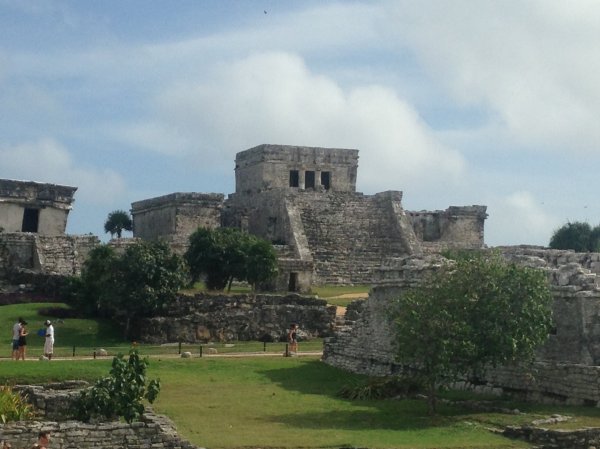
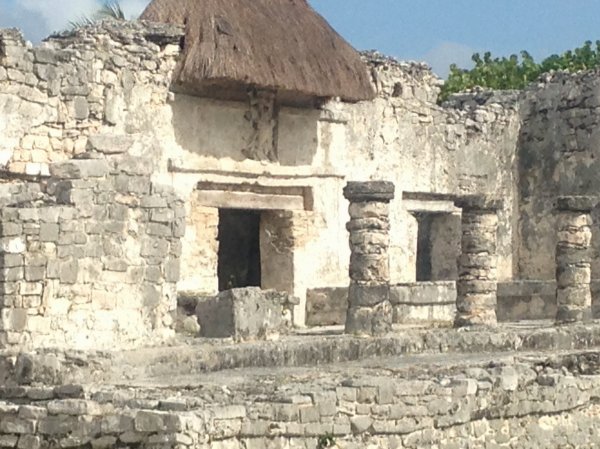
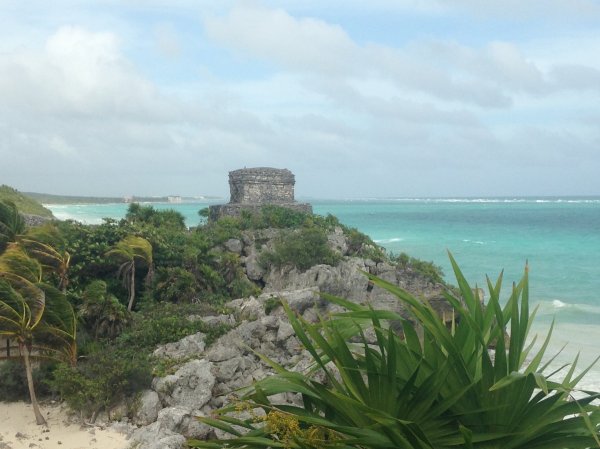
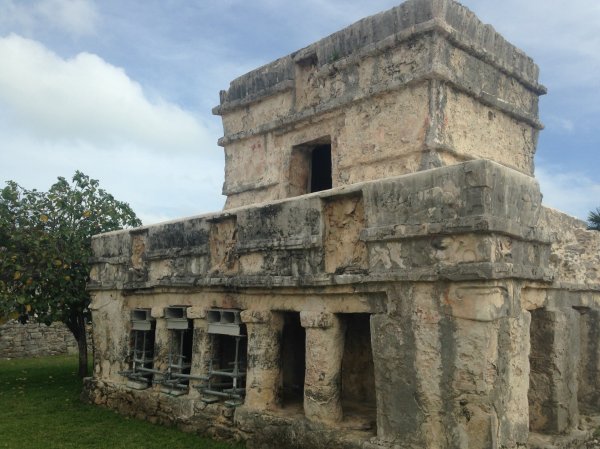
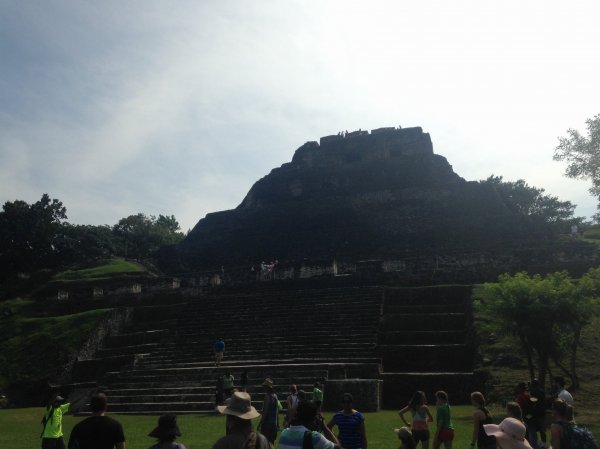
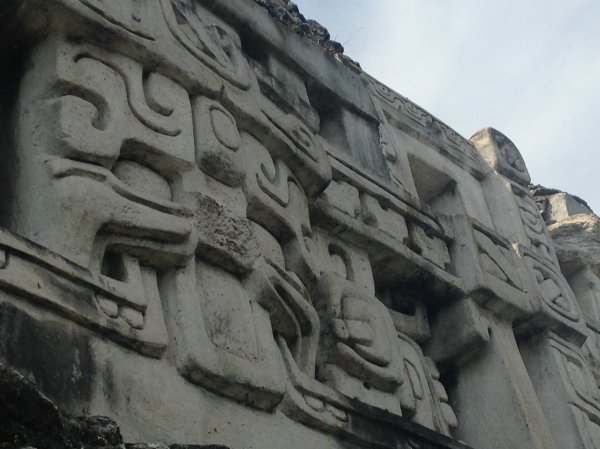
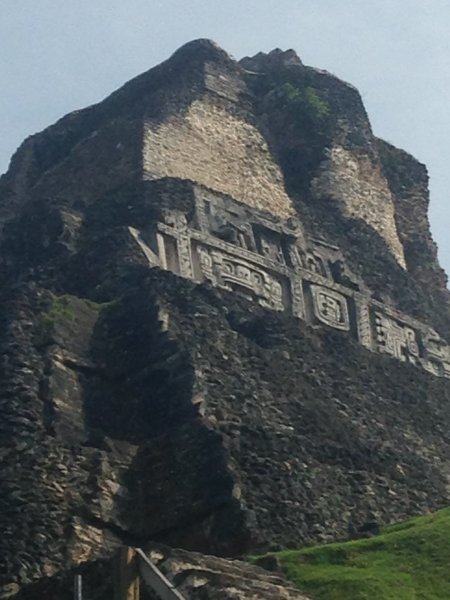
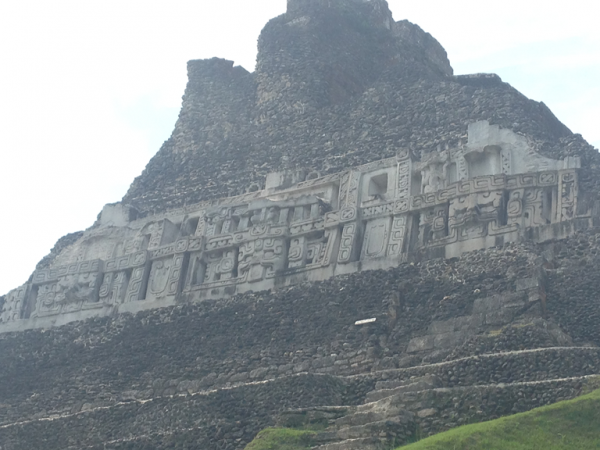
- Tulum and Xunantunich: tourist pictures
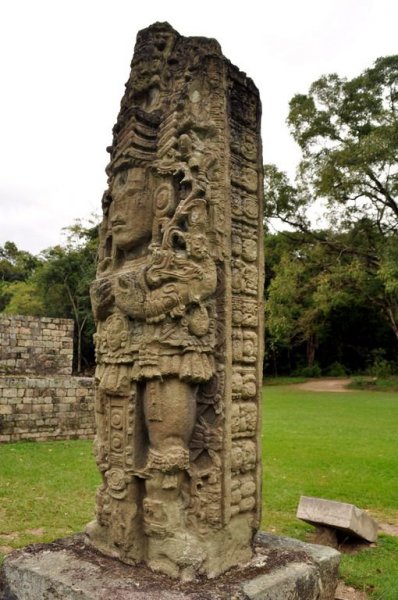
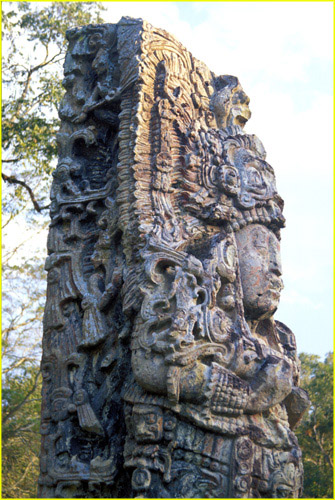
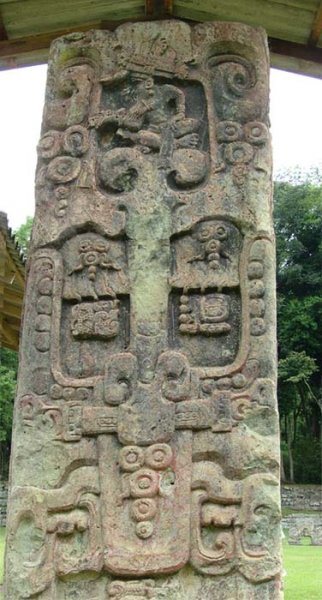
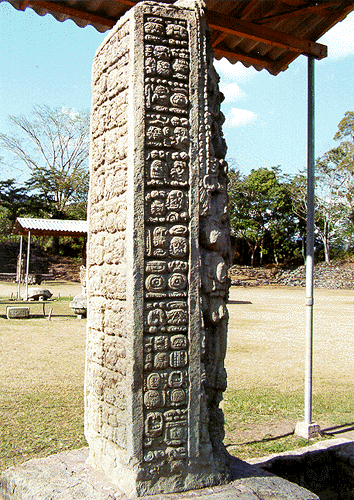
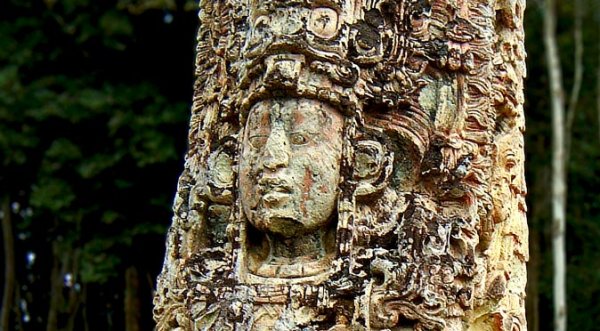
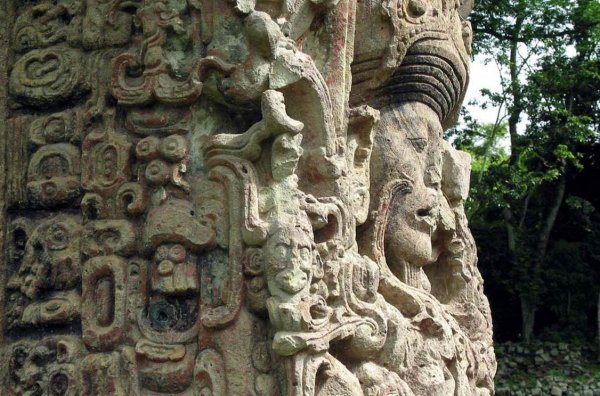
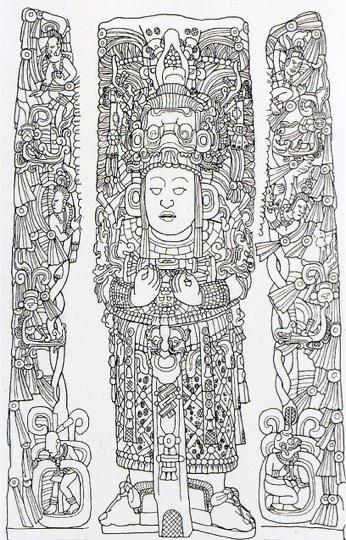
- Copan: Stela
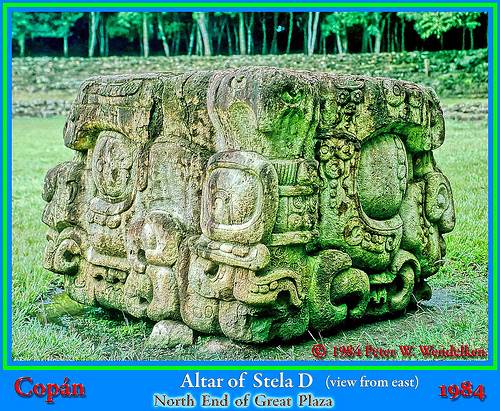
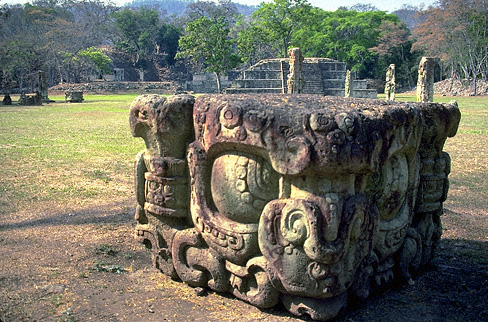
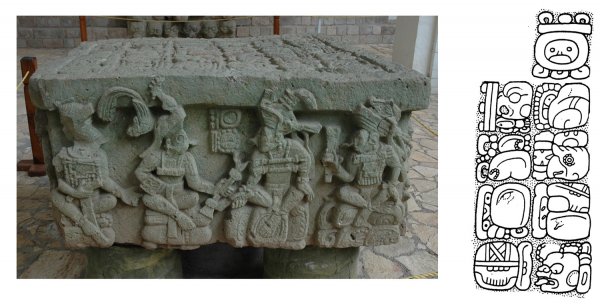
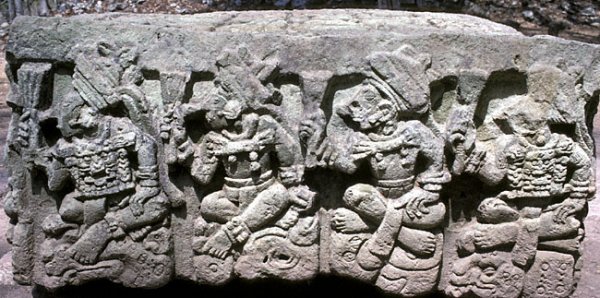
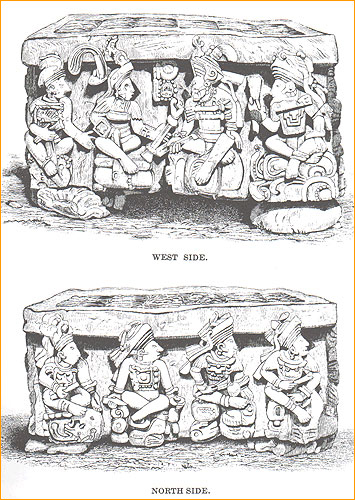
- Copan: Altars
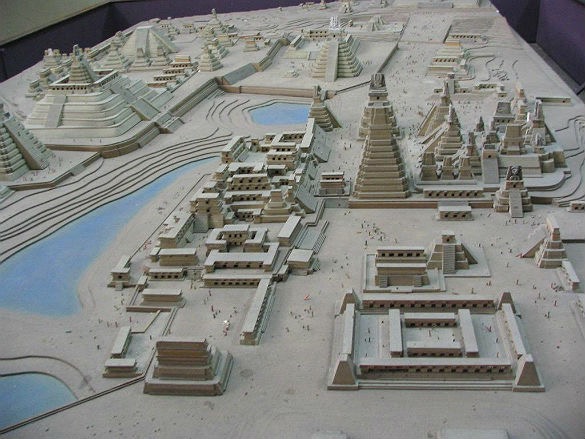
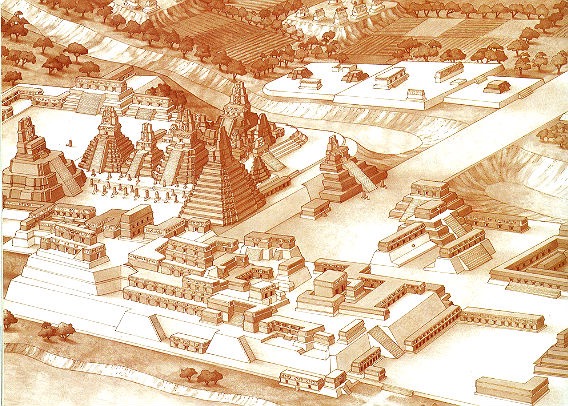
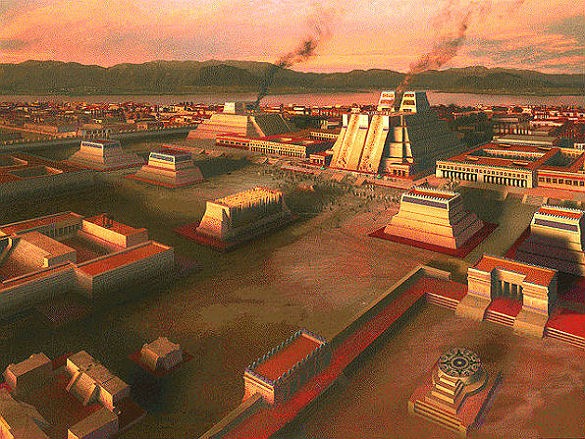
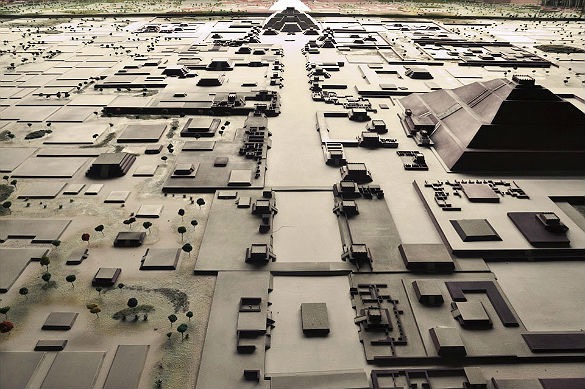
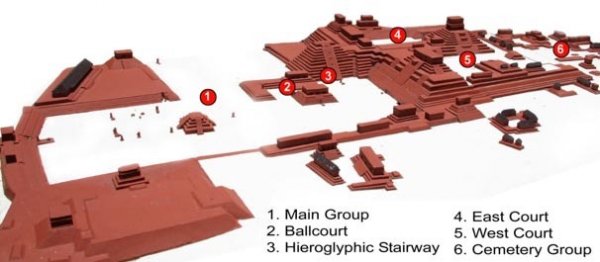
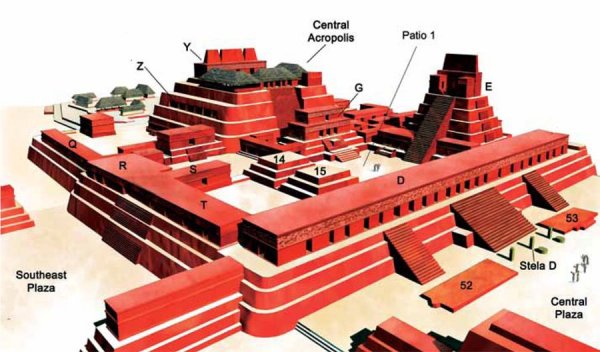
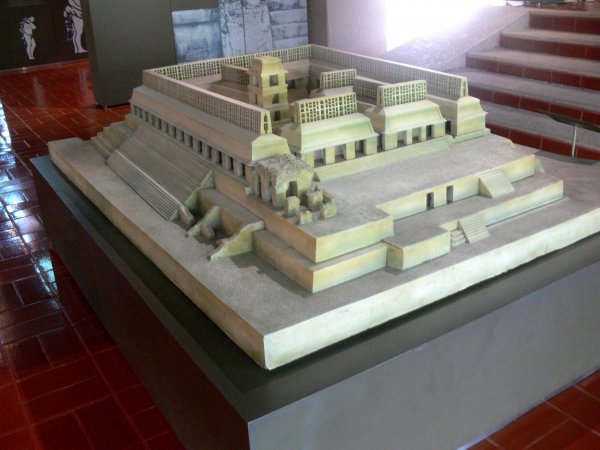
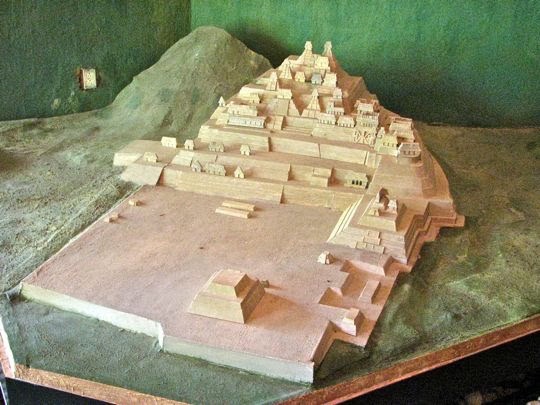
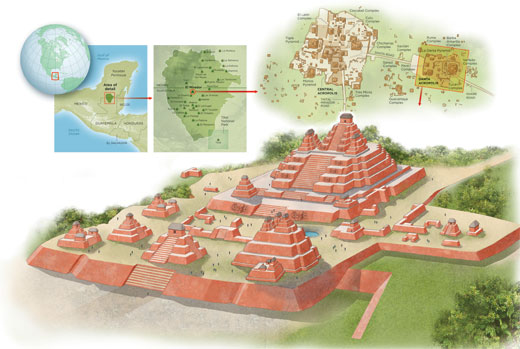
- Mayan City Layouts:
- Tikal
- Tenochtitlan (Aztec)
- Teotihuacan (also not Mayan)
- Copan
- Palenque
- Tonina
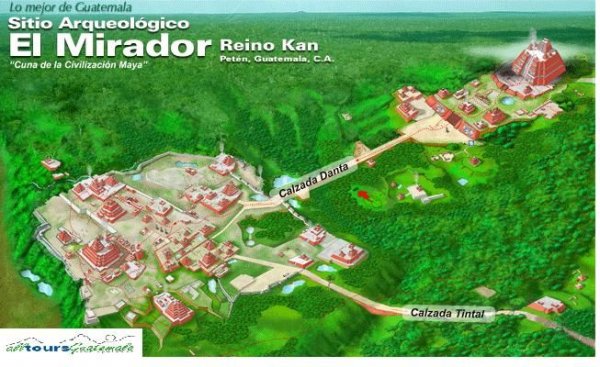
- El Mirador
- Cazamul
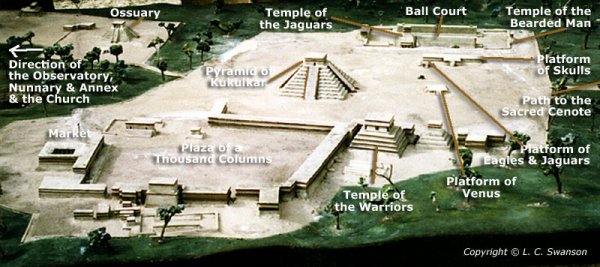
- Chichen Itza
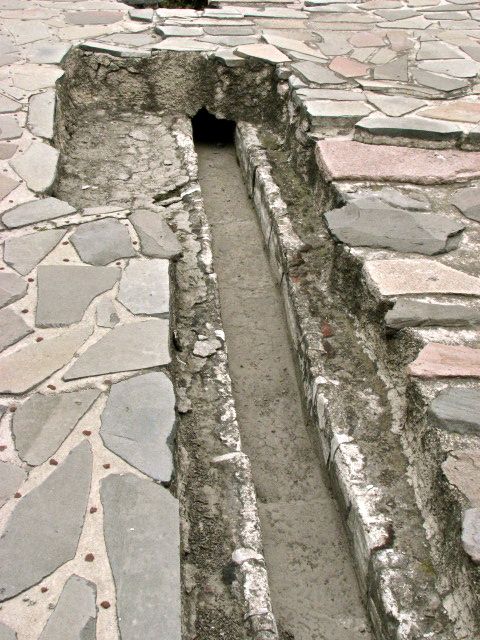
- Teotihuacan water storage system (courtesy of @n810)
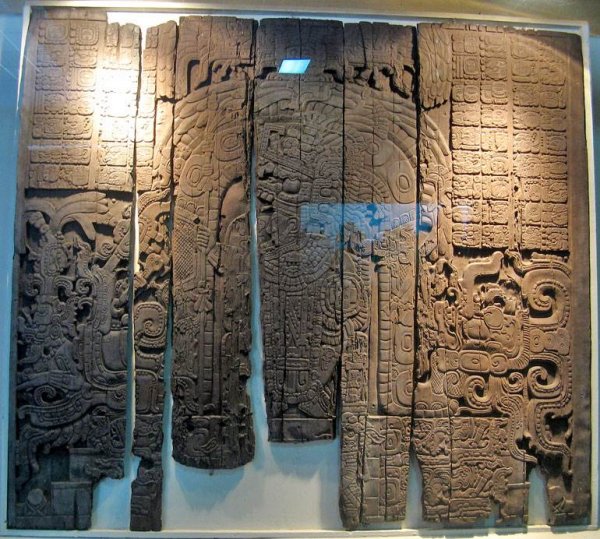
- Tikal Temple IV Lintel 3
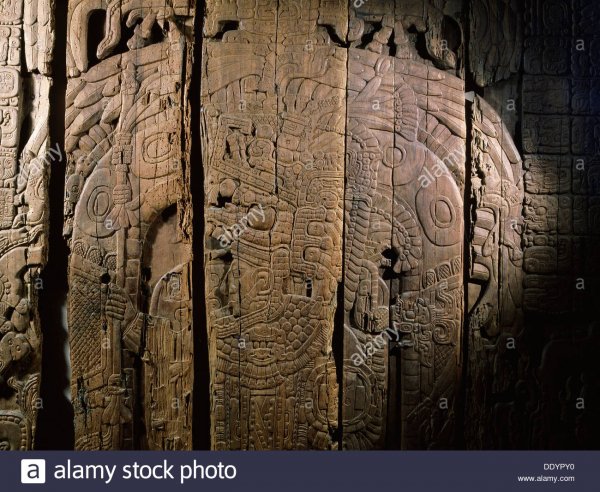
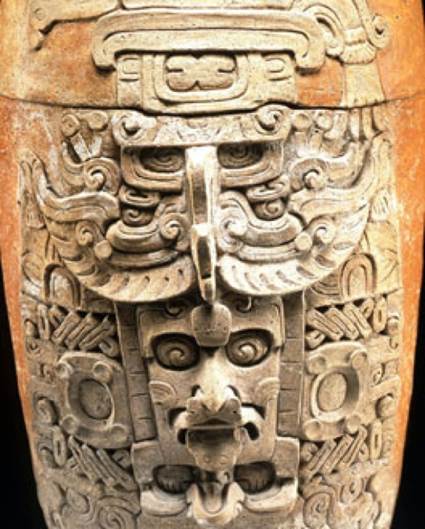
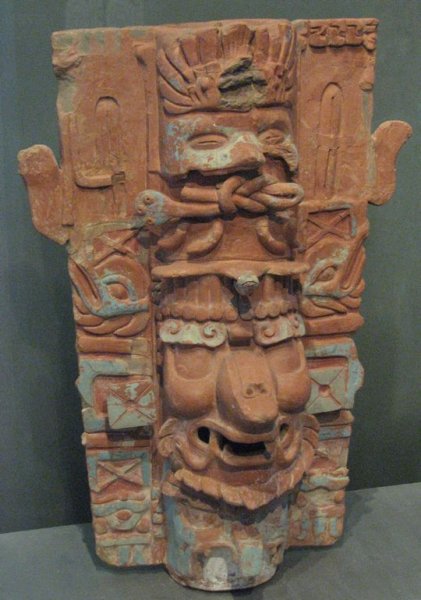
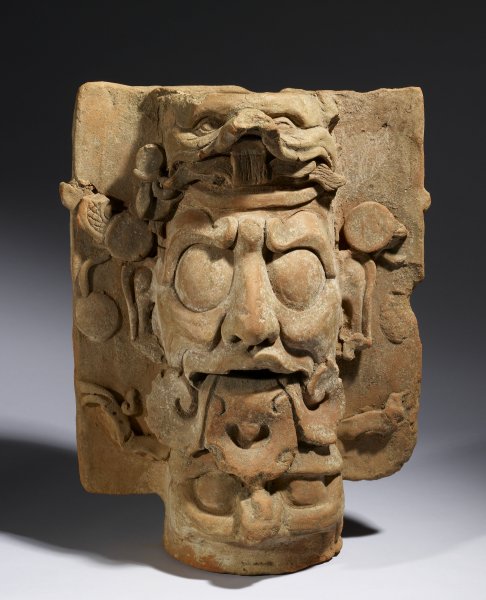
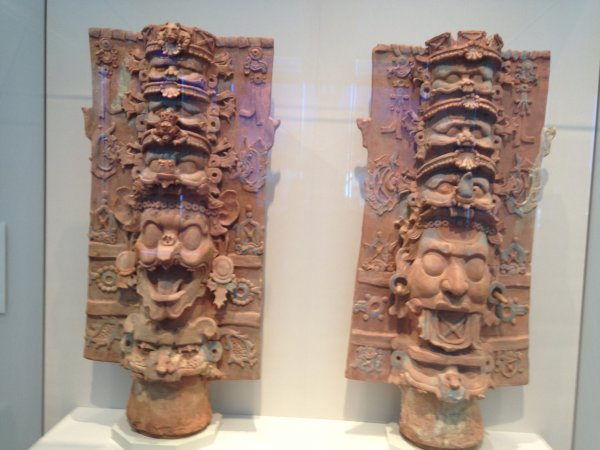
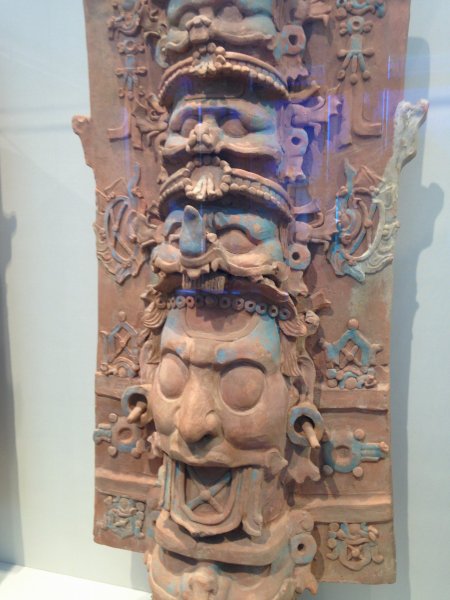
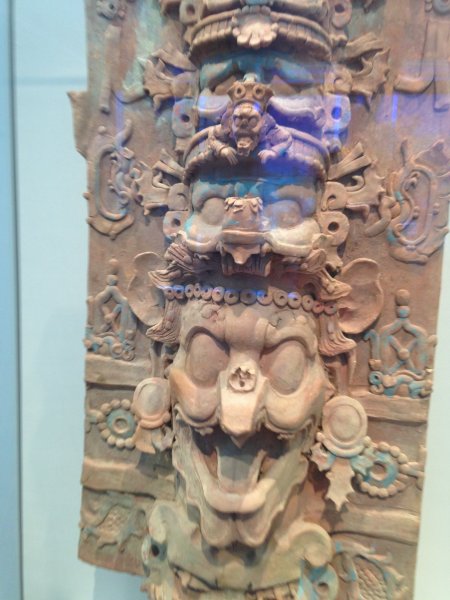
- Incense Burners/Censor Bearers
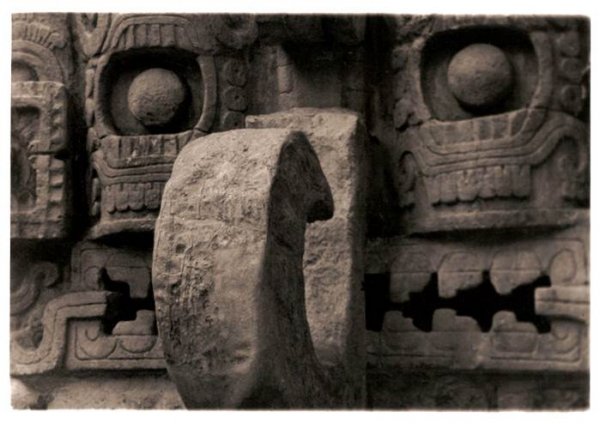
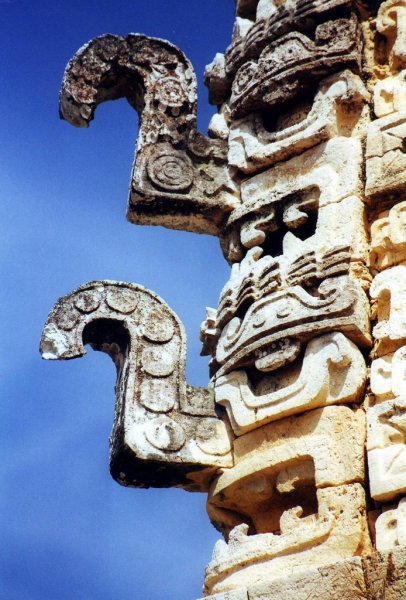
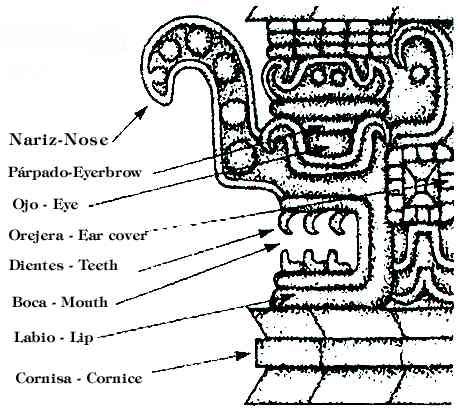
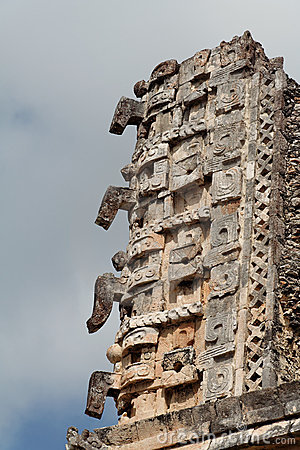
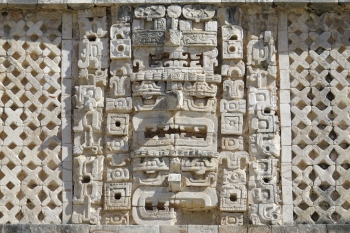
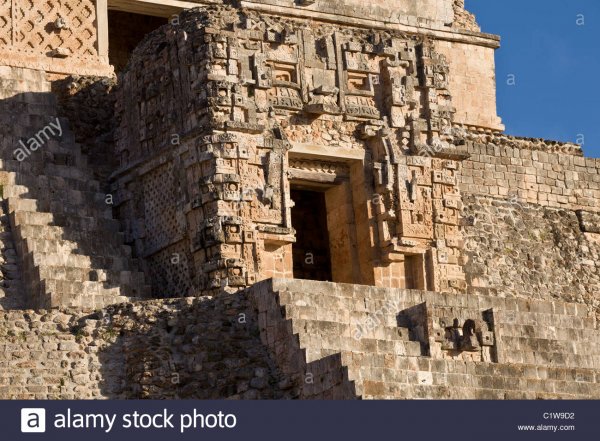
- Chac Masks at Uxmal
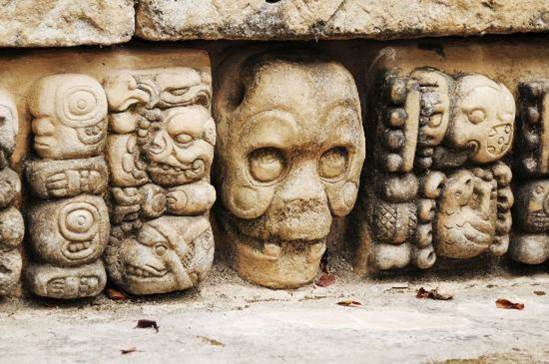
- Stone Skull at Copan
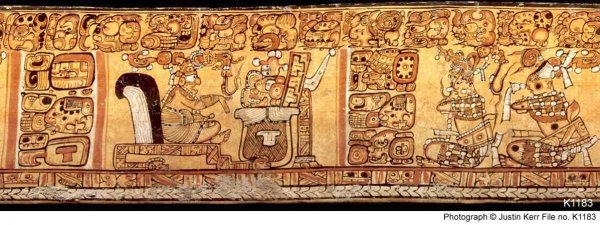
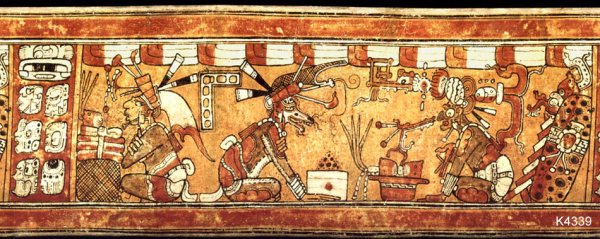
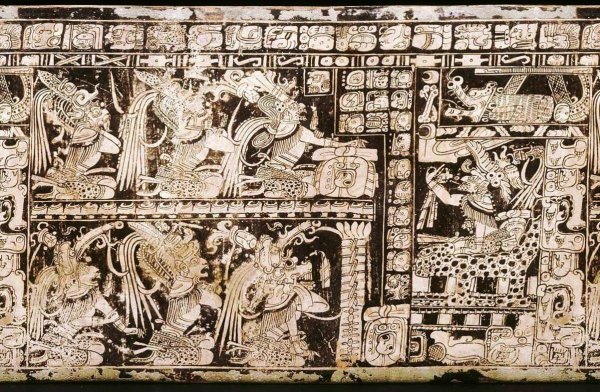
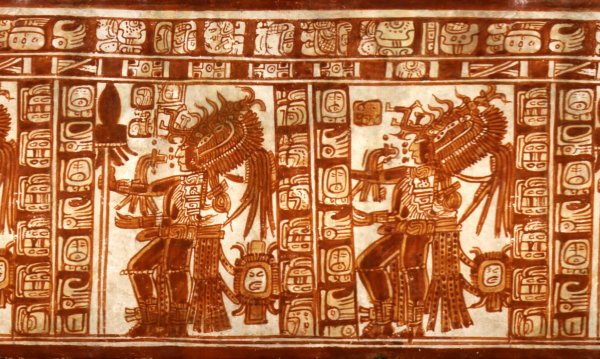
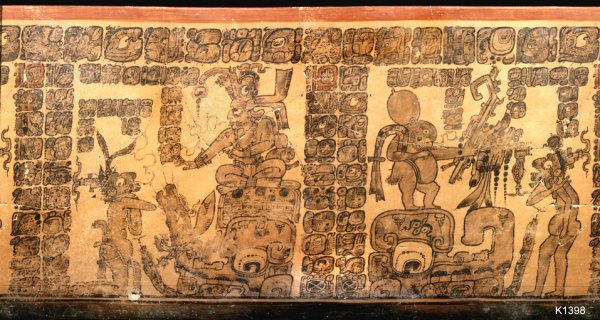
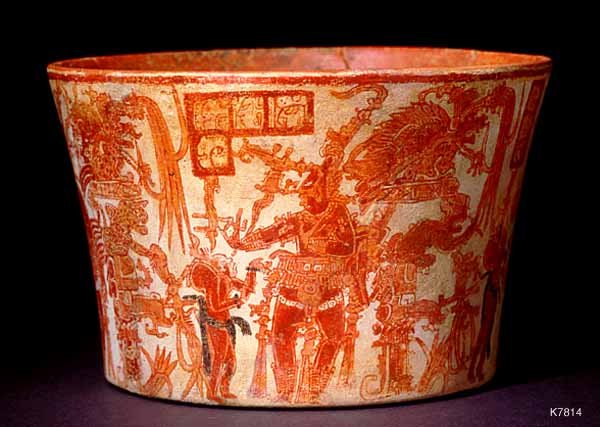
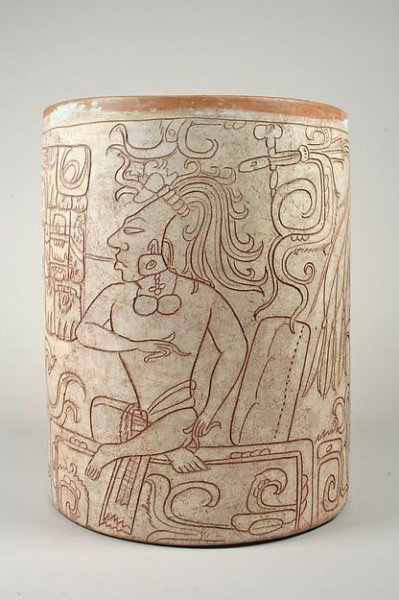
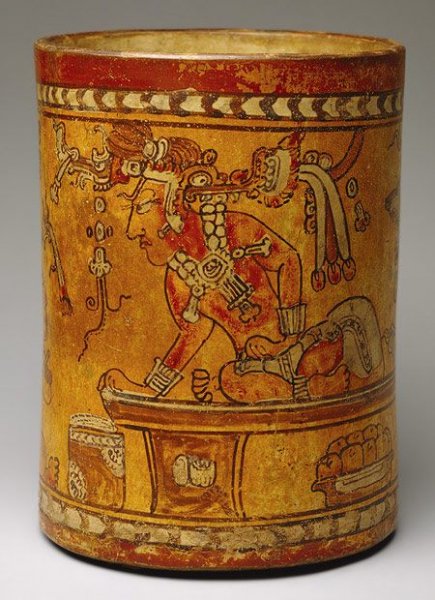
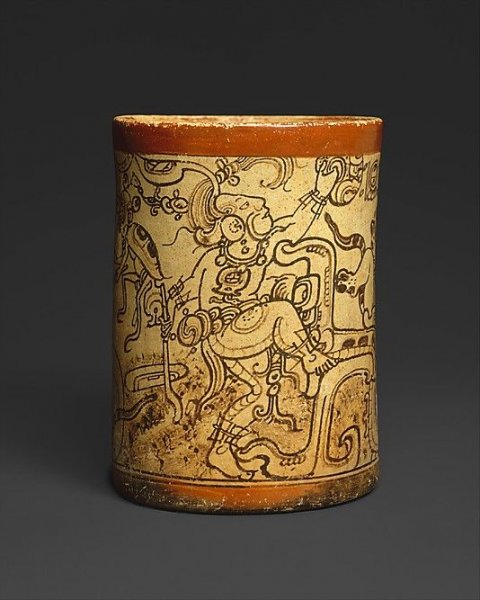
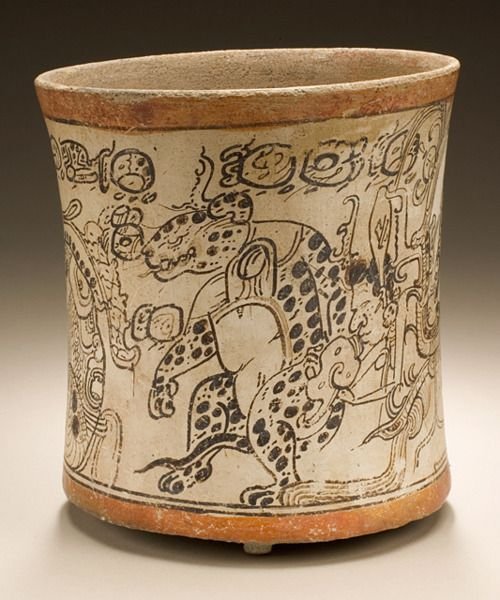
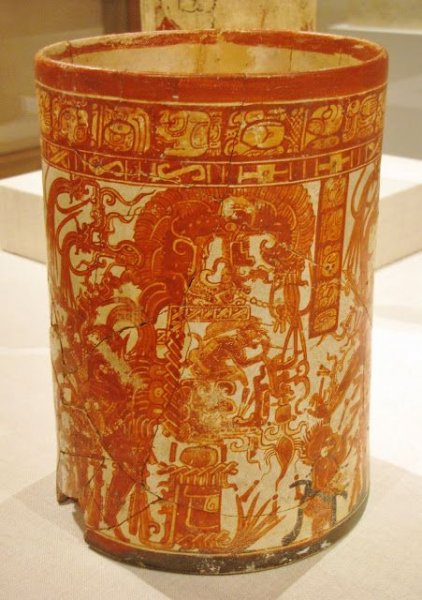
- Mayan Vases (including works by Ah Maxam of Naranjo)
- Mayan Vases (Slann evidence and carved vases)
- Wooden Dwarf at the MET
- Mayan Bats
- Murals at Bonampak
- Murals at San Bartolo
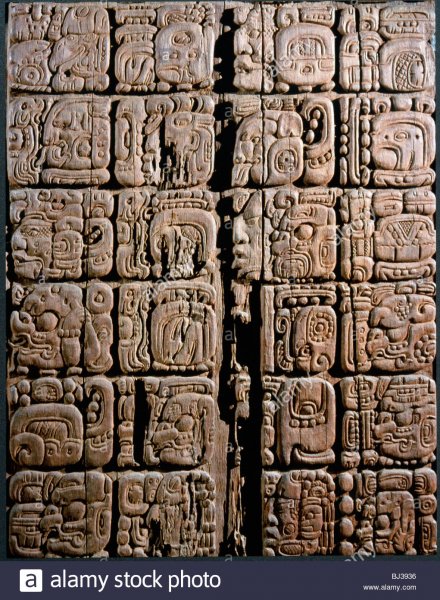
- Mayan Hieroglyphs
- Stone faces at Copan
- Frederick Catherwood Mayan art drawings:
- Copan
- Tulum
- Palenque
- The Face at Ixmal (also Izamal)
- Chichen Itza
- Arch at Labna
- Uxmal
- Lord Waldeck “Mayan Art”
- Xochicalco Temple of the Feathered Serpent
- Murals at Cacaxtla
- Adela Breton Mayan art:
- Uxmal
- Chichen Itza
- El Tanjin
- Mayan Hieroglyphs
- Full hieroglyphs from Yaxchilan
- Chac Tok Ich’aak I; Stela 26 from Tikal
- Palenque: Temple of Inscriptions art
- Copan: stone carved faces
- Howler Monkey God
- Monkey-scribe vase
- Zapotec Snake-Idols (not Mayan but very interesting nearby culture)\
- Yaxchilan Lintels
- Lintels 1-3
- Lintels 8-11
- Lintels 12-14
- Lintel 15 (Vision Serpent)
- Lintels 16-17
- Lintel 24 (Shield Jaguar III)
- Lintel 25 (Vision Serpent of Shield Jaguar III) and Lintel 1 from La Pasadita
- Balamku: House of the Four Kings- Earth Monster
- Rio Bec Mayan architecture style
- Rio Bec
- Xpuhil
- Tabasqueno
- Coatlicue: the Primordial Earth Goddess (Aztec)
- “Lost” Mayan sites of Pechal and Uitzina
- Chicanna: House of the Serpent Mouth
- Modern Mayan Art
- Mayan/Aztec Wargods
- Mayan-temple landscapes
- Tikal Stela 31 depicting ruler Siyaj Chan K’awiil
- Vase from Motul de San Jose
- Naica Crystal Cave (courtesy of @Bracnos )
- Mayan Stela
- Stela B, Copan
- Quirigua
- Teotihuacan miniature diorama (Aztec)
- Mayan Stela
- Copan
- Quirigua
- Mayan City Layouts: more aerial views
- Tulum (plus tourist photos)
- Tikal (with added STAR WARS)
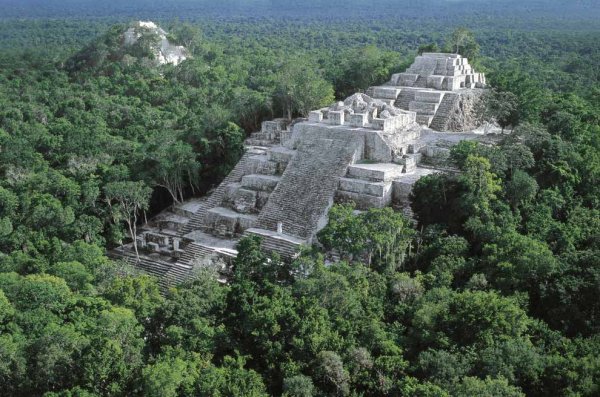
- Calakmul
- Palenque
- Palenque Prisoner carvings
- Mayan Vases (including work by Ax Chal of Naranjo)
- Alfred Maudslay Mayan art photographs
- Quirigua Stela A,K, zoomorphs
- Palenque
- Copan Stela H and carvings
- Modern Mayan warrior costumes and artwork
- Aztec Calendar and Tikal Stela 31 (courtesy of @Deet)
- Mayan-themed Terraniums
- Uetsuji Shotaro artwork
- More evidence of Slann among the ancient Mayas
- Chichen Itza carvings
- Mayan ballgame
- Mayan stone faces
- Mayan vases
- Baby jaguar
- Vase of the Four Gods
- Queen and King
- Mesoamerican Art inspiration
- Toltec warrior statues of Tula
- Mixtec codex (snippet from Codex Zouche-Nuttall)
- Aztec Calendar
- Zapotec snake idols
- Olmec stone heads
- Lizardmen Collectors Book
- Stone lintels/Stela 1 from Bonampak
- Stela from Tamayo Museum
- Inspiring modern artwork (courtesy of @Ritual)
- Futuristic cyborg Maya
- Aztec Calendar
- Mayan Stela:
- Bonampak murals book
- Bonampak Stela 2; ruler Yajaw Chun Muwaan
- Yaxchilan Stela 11; ruler Bird Jaguar IV
- National Geographic Mayan artwork
- Mayan Stela:
- Sayaxche stela
- Calakmul stela
- Pokemon in within the Codex Borgia (Aztec)
- Mayan Ruins
- El Peru Queen Stela, Cleveland Art Museum
- Tulum murals
- Mayan stone carvings from Tikal and Copan (Queztal-Macaw)
- Lords of Xibalba vase
- Earth Monster carving from Chalcatzingo
- Modern Mayan/Mesoamerican artwork:
- Farming/marketplace in Tlateloco
- Warfare
- Scribes
- Ballcourt
- Sacrifice at the cenote of Chichen Itza
- Tezendales stela
- Diego Rivera Zapotec/Miztec history murals
- Mayan Clans of the Yucatan (circa 1461 AD) and info on Bishop Diego de Landa
- Modern Mayan/Mesoamerican art
- Modern maps of Mayan region
- El Dorado movie concept art
- City layouts
- Teotihuacan Temple of the Serpent God
Page 11
- Mayan weapons
- Page from Codex Borgia (Aztec; Tlahuizcalpantecuhtli link provided by @Aginor)
- Info on Aztec calendar and day-signs
- Xulam the Mayan Fisher- Mayan restaurant
- “Psychedelic” Mesoamerican artwork
- Mayan Temples
- Palenque
- Chichen Itza
- Tulum
- Teotihuacan
- Hochob
- Uaxctub
- Xibalba: Info on the Mayan Underworld
- Uncovered History (link provided by @n810)
- Mayan construction methods
- Chicanna House of the Serpent Mouth
- Joan Jade and the Gates of Xibalba- Mayan inspired game
- Mayan/Mesoamerican Cities:
- Chichen Itza site scale model
- Tenochtitlan historical miniatures
- Teotihuacan site scale model
- Bearded Heads from Calixtlahuaca and Comalcalco
- Modern Mayan/Mesoamerican Art:
- Assassin’s Creed Black Flag concept art
- Marvel Comics
- Quirigua: Lightning Warrior by Matthew Cooper
- Mayan Cities Temples and Maps:
- Copan map
- Xunantunich
- Yaxchilan
- Calakmul main temple
- Quetzal bird feathers
- The truth about “Mayan Spaceships”
- Aztec Shields
- Modern Mayan/Mesoamerican Art:
- Mayan/Brazilian Gods
- Fantastic Creatures
- Chichen Itza Temple of the Owls and other Mayan research photos (courtesy of @Lord-Marcus)
- Hairstyles of the ancient Maya
- Feathered-serpent heads of Teotihuacan
- Mayan defensive structures
- Dos Pilas
- Aguateca
- Mayan Class Hierarchy
- Modern Mayan/Mesoamerican Art:
- WOW Troll terrain inspiration
- Mayan-esque cities
- Modern Mayan/Mesoamerican Art:
- Lego Mayan-temple inspiration (also some ancient Incan and Egyptian)
- Mayan temples
- Mayan city layouts:
- Copan site scale model
- Tikal scale-model
- Palenque scale-model
- Palace of Knossos (Crete)
- Tonina scale-model
- Mayan temples line-drawings:
- De Hormiguero
- Rio Bec
- Xtampak
- Chicanna
- Link to Mayan Royal Dynasty lists
- Temple at Xtampak
- Mayan Conspiracies: Lost City of Aztlan (Atlantis)
- Lagunita- newly discovered site in Honduras, photos
- Mayan Towers:
- Palenque
- Puerto Rico
- Nocuchich
- Campeche Towers
- The Stinking Problem- septic issues of the Ancient Maya link
- House of the Doves, Uxmal
- Mayan Maze game pic
- Temple of the Jaguar, Tikal
- LiDAR Mapping of the Mayan World (1)
- LiDAR Mapping of the Mayan World (2)
- Rastrojon: Fortress at Copan
- Modern Mesoamerican Artwork:
- Mexica Heart
- Road to El Dorado
- Historical Artwork (Copan, Tikal, Uxmal, Arch of Labna, Tula)
- Old Photographs (Copan and Milta, Oaxaca)
- Serpent-Mouth at Hochnob
- Mayan colors/materials for painting
- Age of Empires 2: Mayan Buildings
- Temples at Yaxchilan
- Mayan Stela
- Dos Pilas
- Yaxchilan
- Chinkultic
- Tamayo Museum of Oaxaca
- El Achiotal carving, article "Maya New World Order"
- Modern Mayan artwork
- Mayan Bibliography- list of books on Mayan art, history, and culture
- Modern Mayan ruins artwork, much of it courtesy of @NIGHTBRINGER
- Modern Mayan artwork
- Calakmul picture
- 3D Mayan artwork
Page 20
- Modern Mayan artwork, El Dorado movie Art
Page 21
- "stone" Mayan calendar on my bookshelf
- Modern Mayan art
- Ballcourt ring at Uxmal
- Aztec Deities
- Maya Hero Twins, houses of Xibalba the Underworld
- El Dorado movie scribe
- Shadow of the Tomb Raider trailer
Page 22
- Shadow of the Tomb Raider concept art
- Uxmal Pyramid of the Magician/Pyramid of the Dwarf
- Hanging Gardens of Babylon
- Mayan jade masks
- Modern Mayan art
- Aztec feathered snake sculptures
Page 23
- Map of the Mayan world
- Mesoamerican carvings
- Modern Mayan art
- Map of Copan
- Interior map of Aztec temple
Page 24
- Mayan masks
- Glyphs and calendars
- Maya-inspired street art
- some more Frederick Catherwood artwork
- Three Maya deities: Ah Puch, Kukulkan, Chaac
- modern-day Maya/Aztec performers
- Discover Mexico scale models
- Sacrificial artwork
- Beautiful photos of Tonina
Page 25
- Breaking the Maya Code
- Maya costumes
- random Mexico City snarling face poking out of a modern building's construction
- Maya super smash
- 3D Mayan temple project
- Mayan Vases
- modern artwork of Mayan myths
Page 26
- Fall of Atlantis
- Savage Core Maxzans
- Tomb Raider comparisons and Shadow of the Tomb Raider game artwork courtesy of @Aginor
- Mayan "Game of Thrones" dynasty article
- La Corona Site Q
- Info on the Snake Kingdom
Page 27
- Mexico City museum
- Museum of Archaeology and Ethnology in Guatemala
- Shadow of the Tomb Raider scenes
- Kings of the Sun, 1964
- altar from Tonina
- Concept art
- Temples of Terror paper terrain set
- Maya vase
- Maya Hidden Worlds exhibit
- Outpost Wargames Mayan models
Page 28
- Maya History videos, along with some Aztec and Inca
- El Mirador photos
- Modern Mayan designs and old trinkets
- Water and classical civilization video
- incense burner art
- Aztec videos on history and the ballgame
- Fall of Tenotitlan miniature model
- Modern Mayan artwork
- Lamanai sculpture
- Copan cutaway
- golden Inca warrior costume
- ancient Takalik Abaj stonework
- Mayan Calendar script, and Maya/Aztec day signs
- Lizard-Aztec-Maya concept art
- House of the Pigeon
- concept artwork
- Kabah archway reconstruction
Page 30
- Modern Mayan artwork, some from National Geographic
- Jade of the Maya video posted by @Aginor
- Tentlan steam game
- Bonampak mural
- Mayan canoe and performers at Xcaret
- Mayan warriors art
- Mayan comic
- superheroes aztecafied
- Mayan prisoners and captives in stone
- thick Mayan stela at Nocuchich
- Dos Pilas Stela 16
- detail from Tikal stela
Page 31
- Pakal jade death mask, Palenque
- Altar Q from Copan
- Tikal stela 31
- Mayan vases and hieroglyphs
- sketches of the Rosalia from Copan
- Uxmal from the sky
- Temple of the Cross, Palenque
- Stela from El Baul
- LiDAR discoveries
- El Tanjin pyramid
Page 32
- Mayan Cosmology and Gods
- Altar from Copan
- Mayan statues and carvings
- Holmul carvings
- Ek Bakam statues
- Aztec Creation Myth video of the Five Suns, and info on the crocodile monster Cipactli
- Relief carvings from Copan, Palenque, and Kaminaljuyu
- Mayan cardinal directions info
- myths of Quezacoatl (Kukulkan) video
Page 33
- Several lectures on Mayan scholarly topics, to include mythology and about William Saturno who discovered the San Bartolo murals
- Mayan and Aztec astrology artwork
- Cacaxtla mural
- Maya Stela and carving sketches
- Macchu Picchu pictures (before and after)
- Castelobruxo (Harry Potter plug)El Dorado movie artwork and concept sketches
Page 34
- Modern Mayan artwork
Page 35
- Mayan pendants, shells, and statues
- Preclassic carvings and stela from Yaxchilan
- glyph artwork
- modern Mayan art
- Chrisbogert work from deviantart
- Technomayans and mayan warrior concept art
Page 36
- Mayan vases
- Chichen Itza sunset
- Beccan maps and temples
- Uxmal carvings
- images of altars, to include an awesome crocodile altar from preclassic era
- Mayan statues and carvings
- glowing Mayan birthday cake
~~~original post~~~
Since this is the first post, I will start this off with one of the most famous pieces of Mayan art and sculpture: the sarcophagus lid of King Pacal the Great's burial chamber:
Better shot of the chamber itself, lots of carvings all around the room:
Artist's drawings of the carving's details:
Obviously it is King Pacal in the center. Depending on which description you read he is either ascending out of or descending through the gaping centipede-jaws of the underworld along the axis of the Great World Ceiba tree at the center of the universe, where the Great Bird Deity (the sun of the last creation) is perched on top. The sculpture draws many allusions to the story of the maize god, his continuous cycle of death and rebirth as he dies and rises again as maize to feed the people. In some ways it makes the statement that Pacal will never truly die, he will be reborn when the cycle of time continues.
No it is not a space bike if you put it on its side.
Last pic, a general shot of the interior of the Temple of Inscriptions where he was buried.
Last edited: