Logically the warhammer fantasy armies can be divided according to how civilized they are. The more civilized factions (humans, elves, dwarves, undead) should by all accounts learn from and copy their opponents (provided they can stop being arrogant twats or yelling "heresy" for longer than 2 seconds).
To a certain point they do it.
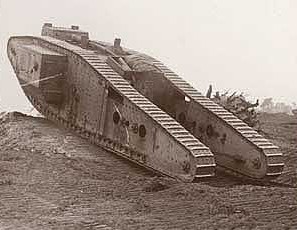
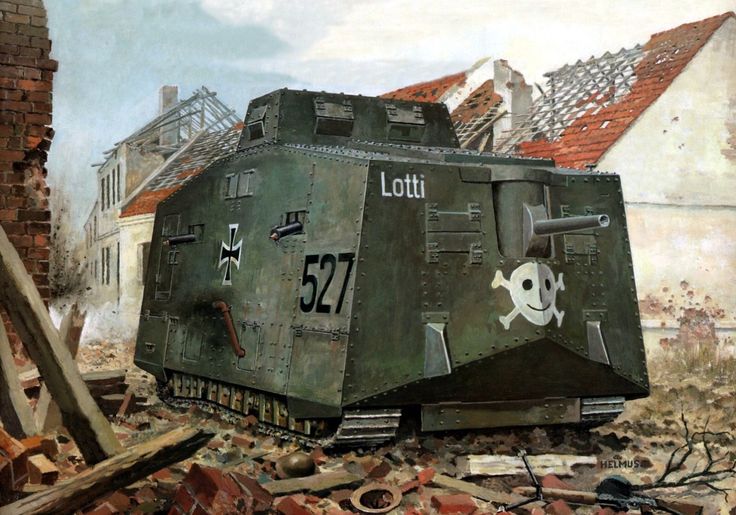
Dwarfs and Empire share lot of tech about ranged weaponry. And they both use steam power: dwarfs to fly (Empire got griffons), Empire for tanks (that probably would find hard times within dwarfs mountains)
This leads to some other factors: you develope/copy a certain tech if you can use it to a good degree: if your Kingdom is mainly made by mountain and underground tunnels, you will make poor use of large tanks; if your Kingdom lacks resources to use gunpowder on a large scale, you will use bows.
And if you need a different weaponry, there are mercenary troops (which were a thing 'til 7th edition, right?)
And remember that also if we look at real life examples, armies were not carbon copies of each other.
While english army was known for its large use of longbows, genoese mercenaries were largely specialized in crossbows.
The "Spanish third" (tercio espanol) was a combat unit composed by pikemen, swordsmen and arquebusiers, very affective for almost 2 centuries...but despite its success, the other nations continued to fight with their own military formations.
Even if the norm is "let's copy successful things from our opponents", there are lots of exceptions. The macedonian phalanx, with the long sarissa, dominated the battlefields for a long time, and yet you see that other armies didn't adopt that clearly superior weapon. And in the end, it took the Roman Empire to defeat the phalanxes, using something totally different.
And this is about human armies. In fantasy, you have whole different races, with whole different phisical and mental abilities.