
-
The forum software have been upgraded to the latest version.
If you notice anything that looks off, or does not work, please let us know.
For more information, click here.
You are using an out of date browser. It may not display this or other websites correctly.
You should upgrade or use an alternative browser.
You should upgrade or use an alternative browser.

Slann
Warden
Tenth Spawning
- Messages
- 6,637
- Likes Received
- 18,877
- Trophy Points
- 113
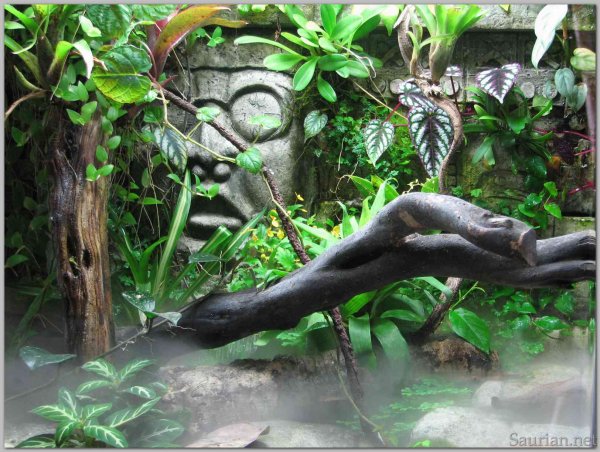
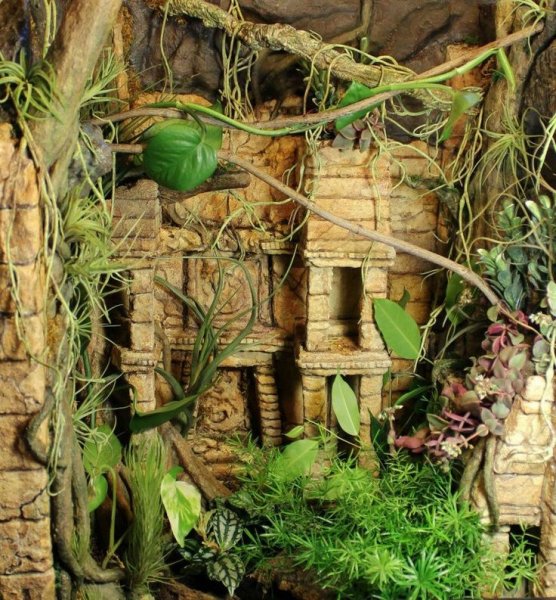
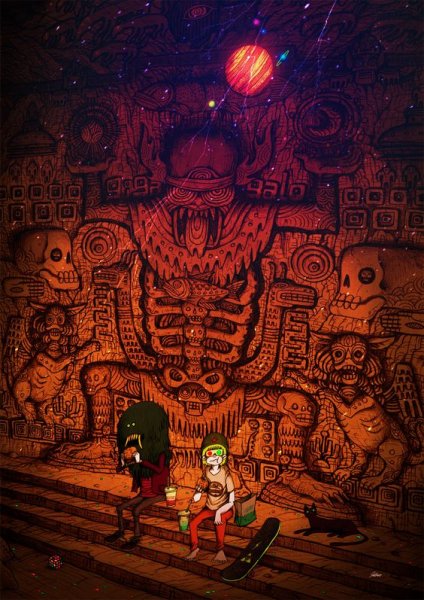
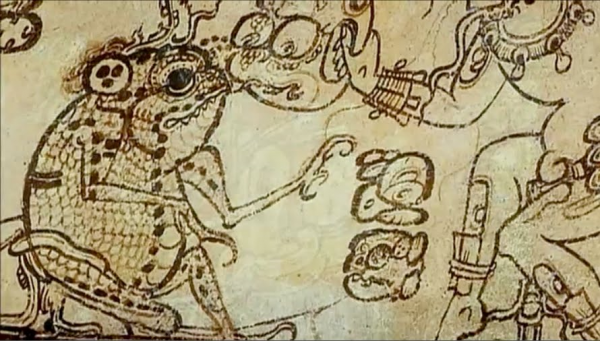
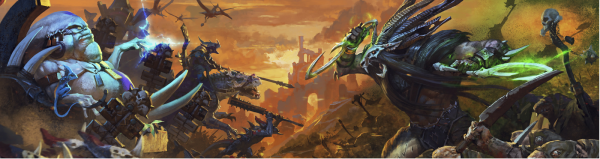
Work of Uetsuji Shotaro. Not ancient Mayan though... but interesting art. This first one reminds me of some of the oldest Lizardmen architecture and art; lots of crazy-smiling lizard faces with teeth leering at your everywhere.
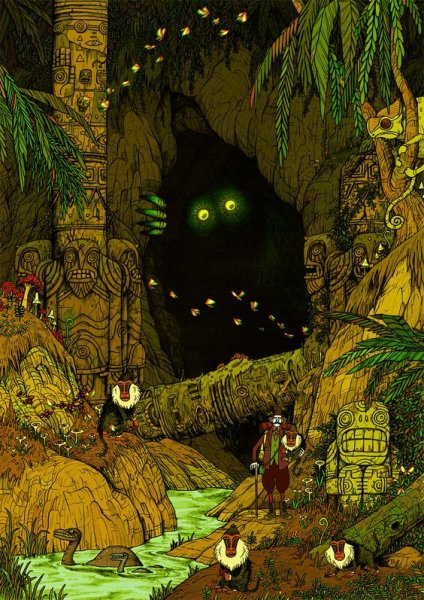
Modern Japanese artist, his work is very eerie. Makes me think of a psychedelic lizardmen setting. Creepy too.
Interesting stuff.
Modern Japanese artist, his work is very eerie. Makes me think of a psychedelic lizardmen setting. Creepy too.
almost looks like a stargate... or a REALMGATE???
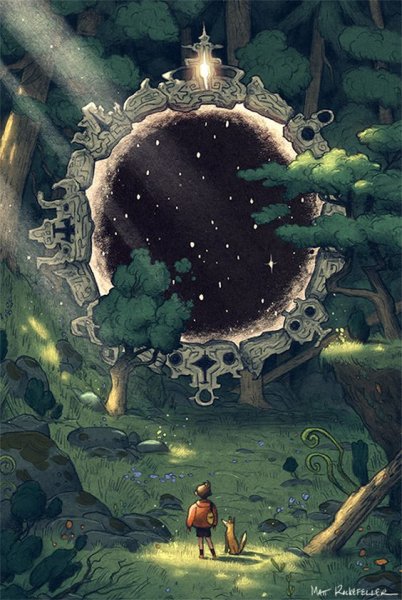
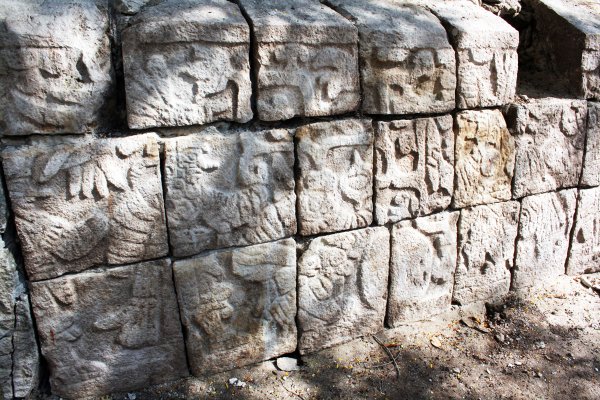
creepy statue carvings:
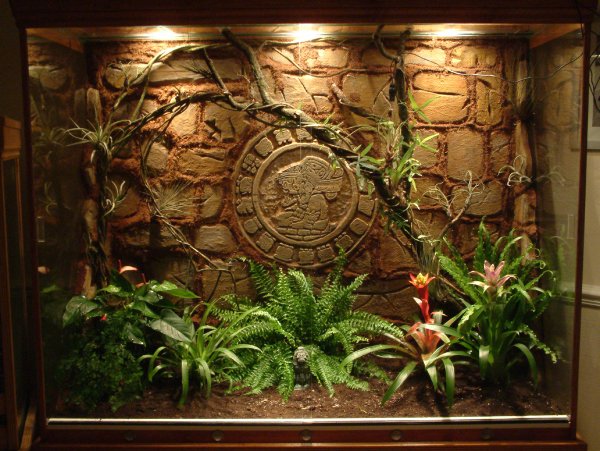
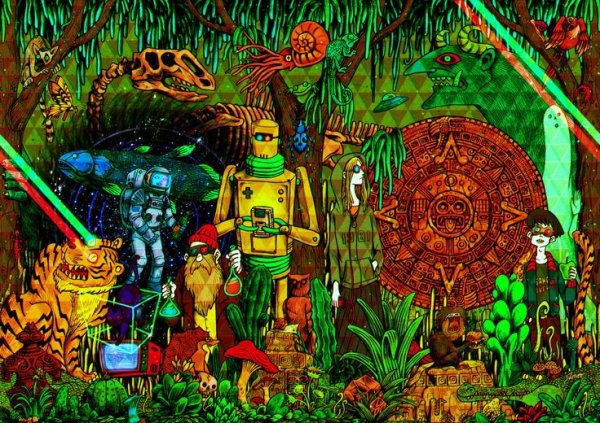
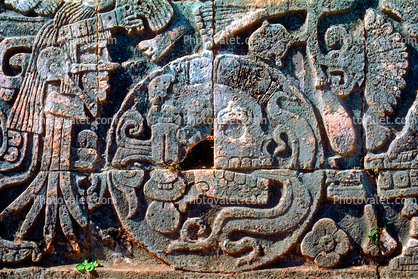
Got the Aztec Calendar-motif in the background... and other random stuff
creepy statue carvings:
Got the Aztec Calendar-motif in the background... and other random stuff
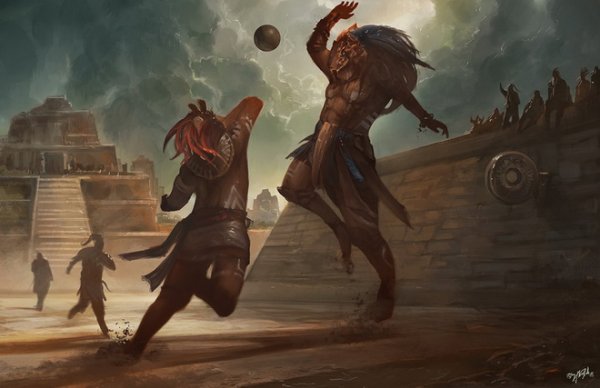
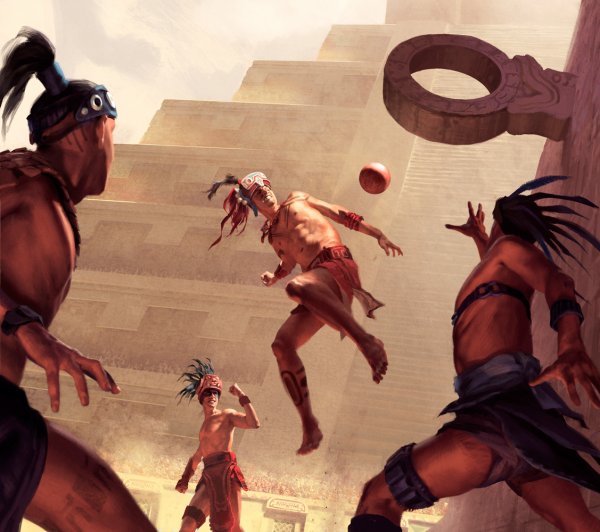


Carnasaur
Bracnos
Well-Known Member
- Messages
- 1,376
- Likes Received
- 5,175
- Trophy Points
- 113
Well i did not say we lost did iDoesn't the loser get sacrificed?

Slann
Warden
Tenth Spawning
- Messages
- 6,637
- Likes Received
- 18,877
- Trophy Points
- 113
i played this game last year with my cousins man i nearly broke my leg but it was soo much fun. One of my cousins is a historian and she specializes in Mayan/Aztec history its always fun to hang with her.
View attachment 28011 View attachment 28012
Nice artwork of Mayan ball players, that's pretty amazing that you were able to play a real game! And pretty cool that you know/related to an actual Mayan historian, I am hoping I can learn more about this stuff someday. Most of what I know is just from books

Went and found some Mayan ballplayers on stelae, I think these two are from a placed called La Corona:
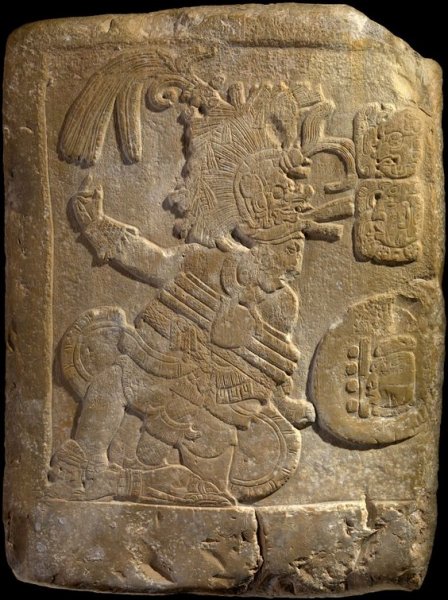
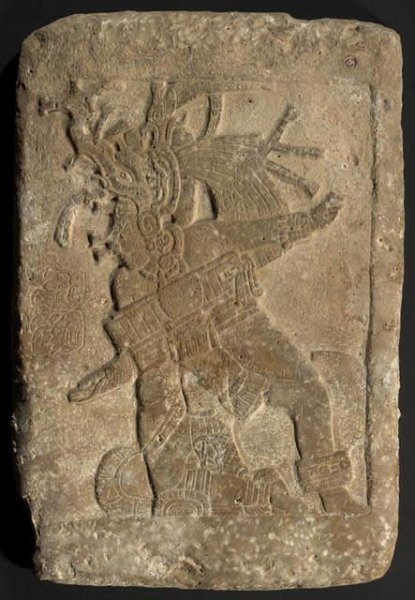

Carnasaur
Jorgik
Well-Known Member
- Messages
- 1,464
- Likes Received
- 2,329
- Trophy Points
- 113
Doesn't the loser get sacrificed?
Actually when I went to Chichen Itza I was told that the winner, in particular the scoring player, got decapitated. They also told us that they considered it to be an honour as they´d be joining the gods.Well i did not say we lost did i

Carnasaur
Bracnos
Well-Known Member
- Messages
- 1,376
- Likes Received
- 5,175
- Trophy Points
- 113
@Jorgik
There is no real written history on what happened to the winners and losers. Just word of mouth and what could be found and what is still being researched is there was more likely a few versions of the game.
1 a regular sport when in the final the losers were killed.
2 there were some games that were a type of religious reenactment. like story of the Hero Twins in the Popol Vuh.
3 kind of like a trial by game were if you win it proves your innocence. the criminal was abused or drugged to make it less possible for them to win.
and there are probably more variations deepening on were in the empire you resided in
or believe wiki as the best source of info lol
Human sacrifice

One of a series of murals from the South Ballcourt at El Tajín, showing the sacrifice of a ballplayer
The association between human sacrifice and the ballgame appears rather late in the archaeological record, no earlier than the Classic era.[53] The association was particularly strong within the Classic Veracruz and the Maya cultures, where the most explicit depictions of human sacrifice can be seen on the ballcourt panels—for example at El Tajín (850–1100 CE)[54] and at Chichen Itza (900–1200 CE)—as well as on the well-known decapitated ballplayer stelae from the Classic Veracruz site of Aparicio (700–900 CE). The Postclassic Maya religious and quasi-historical narrative, the Popol Vuh, also links human sacrifice with the ballgame (see below).
Captives were often shown in Maya art, and it is assumed that these captives were sacrificed after losing a rigged ritual ballgame.[55] Rather than nearly nude and sometimes battered captives, however, the ballcourts at El Tajín and Chichen Itza show the sacrifice of practiced ballplayers, perhaps the captain of a team.[56] Decapitation is particularly associated with the ballgame—severed heads are featured in much Late Classic ballgame art and appear repeatedly in the Popol Vuh. There has even been speculation that the heads and skulls were used as balls.[57]
There is no real written history on what happened to the winners and losers. Just word of mouth and what could be found and what is still being researched is there was more likely a few versions of the game.
1 a regular sport when in the final the losers were killed.
2 there were some games that were a type of religious reenactment. like story of the Hero Twins in the Popol Vuh.
3 kind of like a trial by game were if you win it proves your innocence. the criminal was abused or drugged to make it less possible for them to win.
and there are probably more variations deepening on were in the empire you resided in
or believe wiki as the best source of info lol
Human sacrifice

One of a series of murals from the South Ballcourt at El Tajín, showing the sacrifice of a ballplayer
The association between human sacrifice and the ballgame appears rather late in the archaeological record, no earlier than the Classic era.[53] The association was particularly strong within the Classic Veracruz and the Maya cultures, where the most explicit depictions of human sacrifice can be seen on the ballcourt panels—for example at El Tajín (850–1100 CE)[54] and at Chichen Itza (900–1200 CE)—as well as on the well-known decapitated ballplayer stelae from the Classic Veracruz site of Aparicio (700–900 CE). The Postclassic Maya religious and quasi-historical narrative, the Popol Vuh, also links human sacrifice with the ballgame (see below).
Captives were often shown in Maya art, and it is assumed that these captives were sacrificed after losing a rigged ritual ballgame.[55] Rather than nearly nude and sometimes battered captives, however, the ballcourts at El Tajín and Chichen Itza show the sacrifice of practiced ballplayers, perhaps the captain of a team.[56] Decapitation is particularly associated with the ballgame—severed heads are featured in much Late Classic ballgame art and appear repeatedly in the Popol Vuh. There has even been speculation that the heads and skulls were used as balls.[57]
Slann
Warden
Tenth Spawning
- Messages
- 6,637
- Likes Received
- 18,877
- Trophy Points
- 113
@Jorgik
There is no real written history on what happened to the winners and losers. Just word of mouth and what could be found and what is still being researched is there was more likely a few versions of the game.
1 a regular sport when in the final the losers were killed.
2 there were some games that were a type of religious reenactment. like story of the Hero Twins in the Popol Vuh.
3 kind of like a trial by game were if you win it proves your innocence. the criminal was abused or drugged to make it less possible for them to win.
and there are probably more variations deepening on were in the empire you resided in
Good description. I have also heard it both ways.
Found some more ball-court players, including this vase:
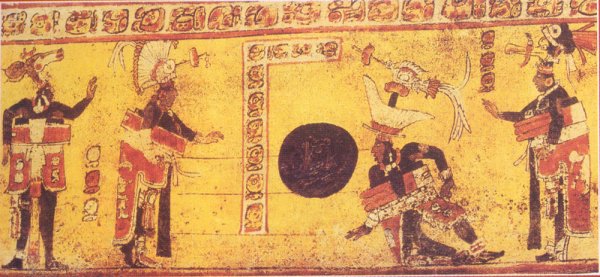
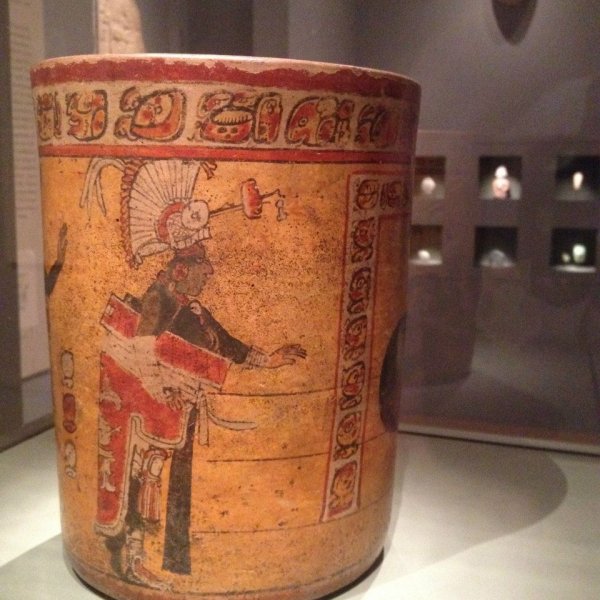
Funny story, I have actually seen this one in person! I had no clue that it was actually a representation of the ball game when I saw it but now I know! Here is the picture I took when I was at the Dallas Art Museum:
Painted Vases:
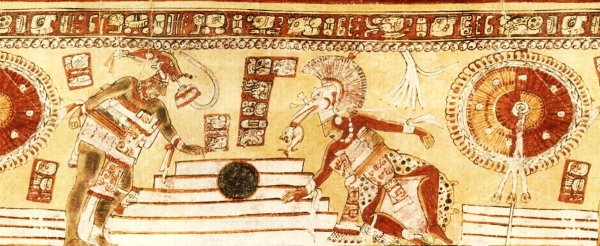
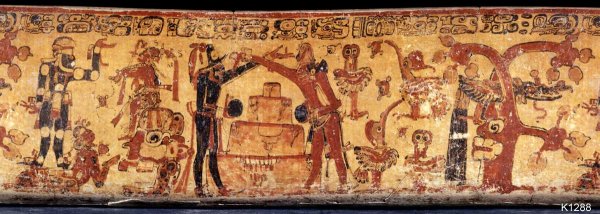
Carvings:
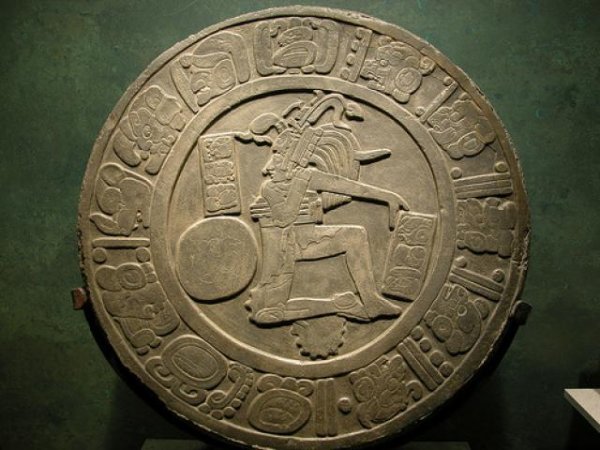
Disk from Chinkultic, Chiapas:
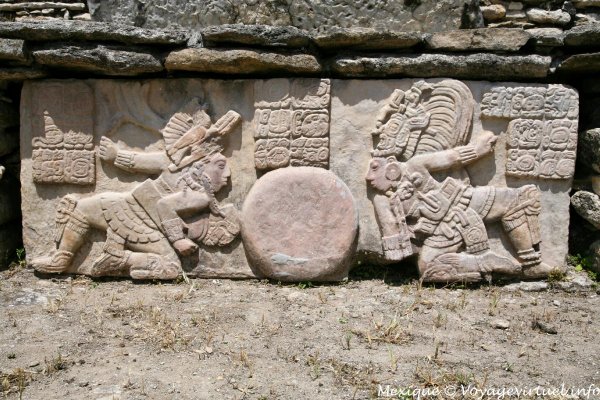
Carving from Tonina:
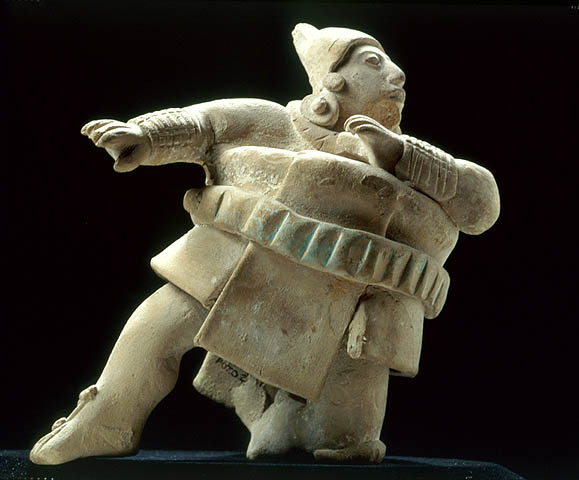
Ceramic Ball-Player:
Carvings:
Disk from Chinkultic, Chiapas:
Carving from Tonina:
Ceramic Ball-Player:
Carnasaur
Bracnos
Well-Known Member
- Messages
- 1,376
- Likes Received
- 5,175
- Trophy Points
- 113
Slann
Warden
Tenth Spawning
- Messages
- 6,637
- Likes Received
- 18,877
- Trophy Points
- 113
Very true, the mayans were one of the first civilizations to start using rubber, they also invented the precursor to our own modern-day chewing gum! @Bracnos I didn't think about those things being so heavy either, that seems like its a lot heavier than the balls used in most modern sports.
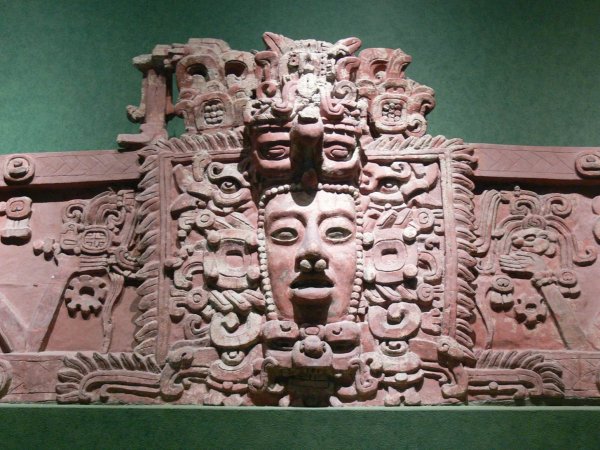
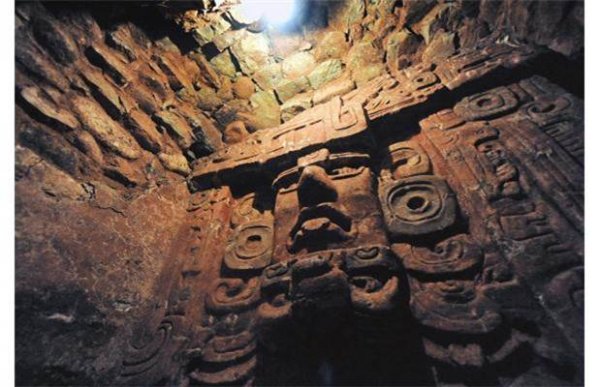
Some random stone Mayan Heads today, from Copan and other places:
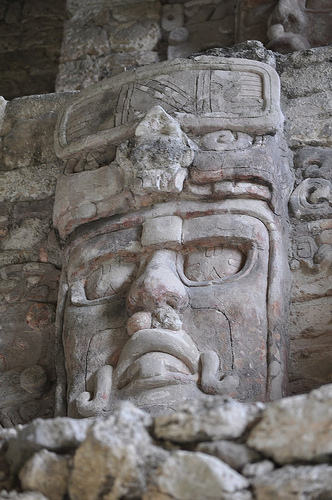
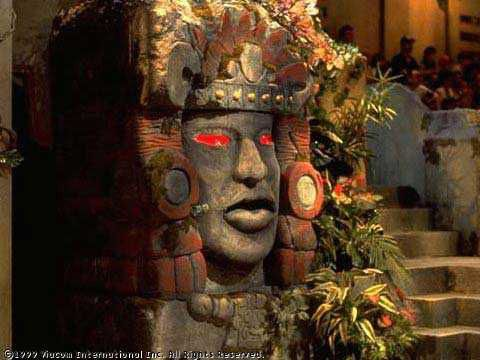
This one reminds me of a certain old TV show...
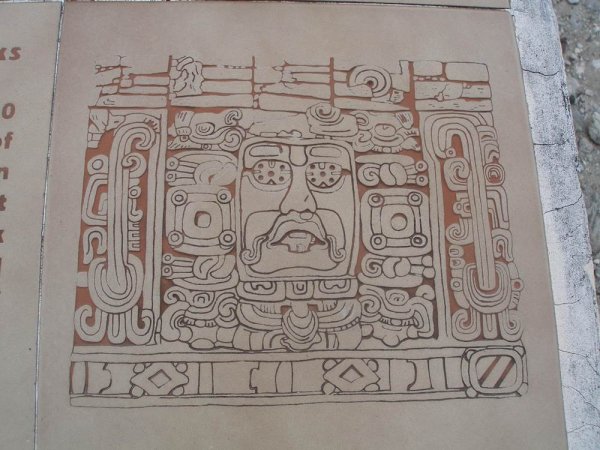
Modern depiction of the above carving, from Copan:
nice
Some random stone Mayan Heads today, from Copan and other places:
This one reminds me of a certain old TV show...
Modern depiction of the above carving, from Copan:
That dude has a shish kabob on his head, haha.
nice
Slann
Warden
Tenth Spawning
- Messages
- 6,637
- Likes Received
- 18,877
- Trophy Points
- 113
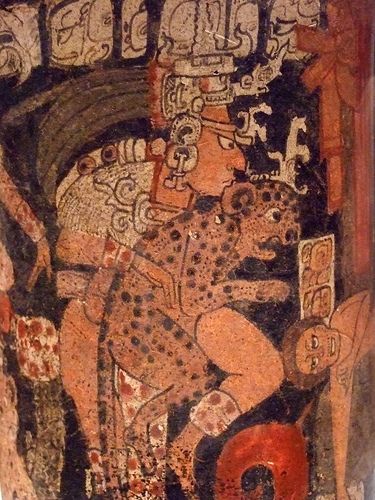
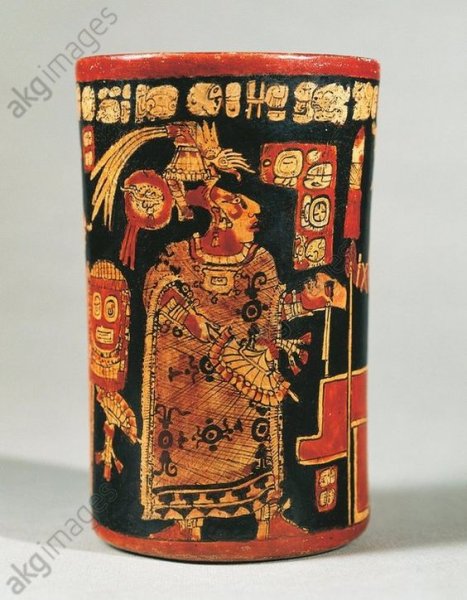
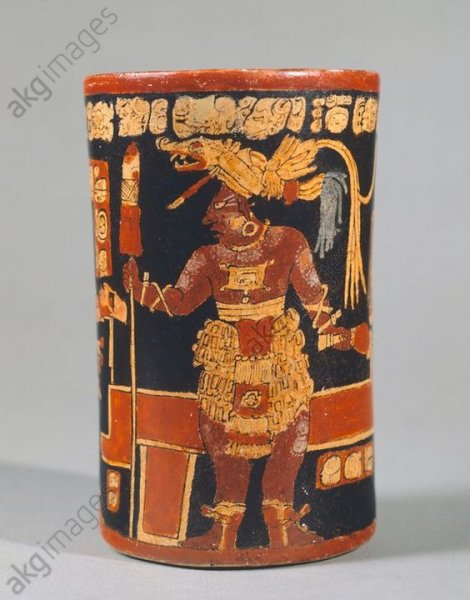
Vase of the Four Gods
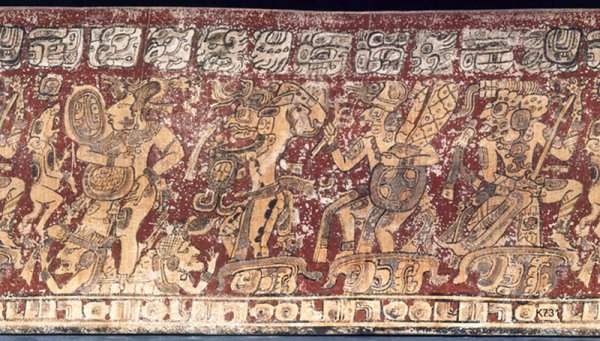
First one is the Maize God rizing from the Sustenance Mountain (the two dudes under him look like the Paddler Gods?) and is followed by Chaac gods (rain/storm/lightning). Almost look like the vase was put together with a form of Mayan calligraphy, very interesting style despite its poor condition.
First one is the Maize God rizing from the Sustenance Mountain (the two dudes under him look like the Paddler Gods?) and is followed by Chaac gods (rain/storm/lightning). Almost look like the vase was put together with a form of Mayan calligraphy, very interesting style despite its poor condition.

Slann
Aginor
Fifth Spawning
- Messages
- 12,256
- Likes Received
- 20,177
- Trophy Points
- 113
Ok, style question:
It seems that our Seraphon/Lizardmen are heavily inspired by the Mayas (cases in point: All pictures in this thread), but I also spotted some stuff that looks clearly Toltec, Mixtec, Zapotec or Aztec.
So am I right in assuming that if I get inspired by any of them it is ok fluff-wise for the Seraphon?
It seems that our Seraphon/Lizardmen are heavily inspired by the Mayas (cases in point: All pictures in this thread), but I also spotted some stuff that looks clearly Toltec, Mixtec, Zapotec or Aztec.
So am I right in assuming that if I get inspired by any of them it is ok fluff-wise for the Seraphon?